
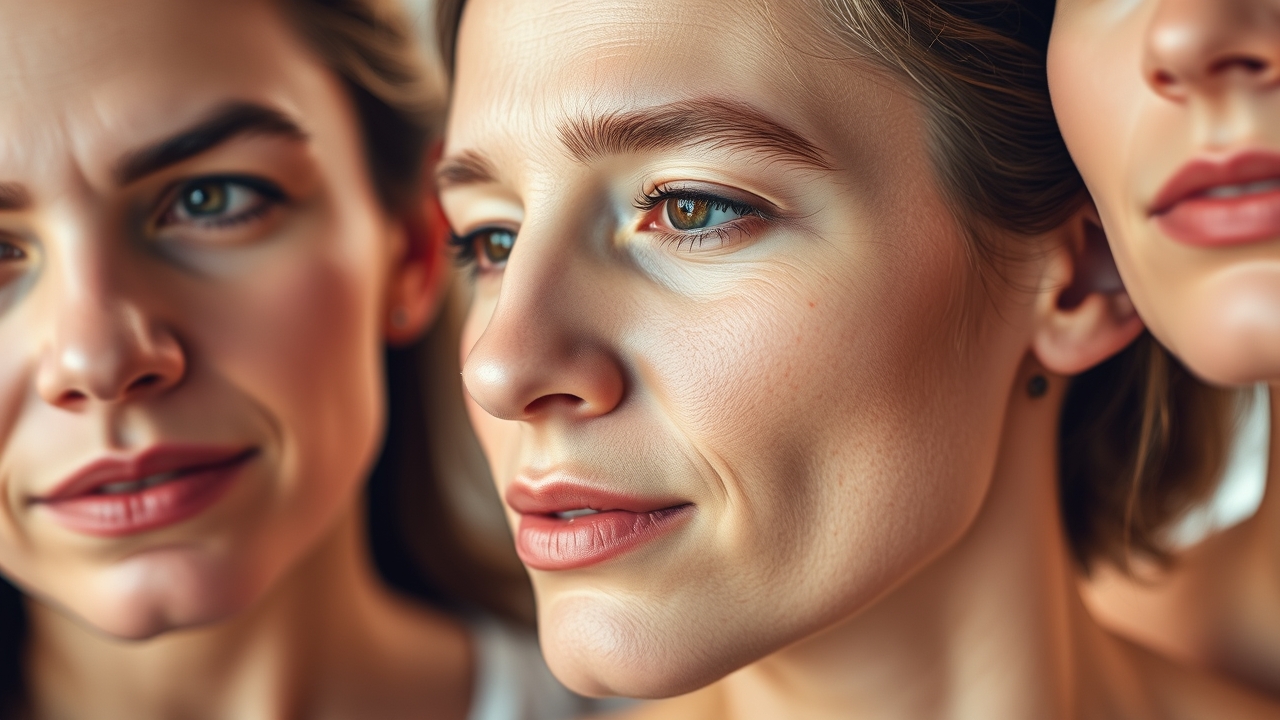
Niacinamide Benefits for Skin Pores: An Expert’s Deep Dive into Refining Your Complexion
The quest for flawless, glass-like skin often leads us down a labyrinth of ingredients, each promising a unique solution. Among these, one superstar consistently shines brightly for its multifaceted prowess, particularly concerning a universal skin concern: pores. Niacinamide, a form of Vitamin B3, has emerged as a powerhouse ingredient, revered by dermatologists and skincare enthusiasts alike for its ability to transform skin health, with a remarkable impact on the appearance and functionality of our skin pores. As a world-class expert, I will unravel the science behind niacinamide’s extraordinary benefits, offering an evergreen guide to achieving a refined, healthier complexion.
Our skin pores are often misunderstood. Far from being mere aesthetic nuisances, they are vital conduits for sebum and sweat, playing a crucial role in maintaining skin hydration and temperature regulation. However, when these microscopic openings become enlarged, clogged, or inflamed, they can detract from skin’s overall smoothness and radiance. This comprehensive article will delve into the intricate relationship between niacinamide and skin pores, explaining precisely how this remarkable ingredient addresses the root causes of pore concerns, leading to visibly minimized, healthier pores.
Understanding Skin Pores: More Than Just Openings
To fully appreciate the benefits of niacinamide, it’s essential to first understand what skin pores are, how they function, and why they sometimes become a source of concern. Pores are an integral part of our integumentary system, a complex network that protects our body from the external environment.
The Anatomy and Function of Pores
Every pore on your skin is the opening of a hair follicle, which also houses a sebaceous gland. These glands produce sebum, an oily substance composed of lipids, waxes, and cholesterol, which serves several critical functions. Sebum acts as a natural moisturizer, forming a protective barrier that prevents moisture loss, keeps the skin supple, and guards against environmental aggressors. Additionally, pores facilitate the release of sweat, aiding in thermoregulation.
There are approximately 20,000 pores on your face alone, though their size and visibility vary significantly across different individuals and facial areas. For instance, pores tend to be larger and more numerous in the T-zone (forehead, nose, chin) due to a higher concentration of sebaceous glands in these regions. The health and appearance of these pores are directly linked to the overall vitality of your skin.
Common Pore Concerns and Their Causes
While essential, pores can become problematic, leading to a variety of aesthetic and dermatological issues. The most common complaints revolve around the appearance of “enlarged pores” and “clogged pores.”
- Enlarged Pores: These can make the skin appear uneven and less smooth. Factors contributing to enlarged pores include:
- Genetics: Predisposition to larger pore size is often inherited.
- Excess Sebum Production: Overactive sebaceous glands produce an abundance of oil, which can pool around the pore opening, stretching its walls and making it appear larger.
-
Loss of Skin Elasticity: As we age, the skin’s natural collagen and elastin production declines. This loss of structural support around the pores causes them to sag and appear more prominent.
-
Sun Damage: Ultraviolet (UV) radiation from sun exposure damages collagen and elastin, leading to premature skin aging and, consequently, enlarged pores.
-
Inflammation: Chronic inflammation can weaken the support structures around pores.
-
Clogged Pores: These occur when dead skin cells, excess sebum, and environmental debris accumulate within the pore opening. Clogged pores can manifest as:
- Blackheads (Open Comedones): When a pore is clogged but remains open to the air, the trapped sebum and cells oxidize, turning dark.
-
Whiteheads (Closed Comedones): If the clogged pore is covered by a thin layer of skin, preventing oxidation, it appears as a small, flesh-colored bump.
-
Acne Lesions: Clogged pores create an ideal environment for the proliferation of acne-causing bacteria, leading to inflammatory lesions like papules, pustules, nodules, and cysts.
Understanding these underlying mechanisms is crucial because niacinamide effectively targets several of these contributing factors, offering a comprehensive approach to improving pore health and appearance.
Niacinamide Unveiled: The Multi-Tasking Vitamin B3 Derivative
Niacinamide, also known as nicotinamide, is a water-soluble form of Vitamin B3. It is an essential nutrient that plays a critical role in numerous cellular processes within the body, including those vital for skin health. Its topical application has revolutionized skincare, offering a gentle yet potent solution for a myriad of concerns, with pore refinement being a standout.
What Exactly is Niacinamide?
Niacinamide is a precursor to Nicotinamide Adenine Dinucleotide (NAD+) and Nicotinamide Adenine Dinucleotide Phosphate (NADP+), two crucial coenzymes involved in over 400 biochemical reactions in the body. These coenzymes are indispensable for cellular energy production, DNA repair, and maintaining cellular integrity. When applied topically, niacinamide can readily penetrate the skin and be converted into these active forms, directly influencing skin cell function at a molecular level.
- Water-Soluble: Its water-soluble nature allows it to be easily formulated into various skincare products like serums, toners, and moisturizers without feeling heavy or greasy.
-
Stable: Unlike some other active ingredients, niacinamide is remarkably stable, resisting degradation from heat, light, and air. This stability ensures its efficacy throughout the product’s shelf life.
-
Well-Tolerated: Generally, niacinamide is very well-tolerated by most skin types, including sensitive skin, making it a versatile addition to almost any skincare regimen.
The Broad Spectrum of Niacinamide’s Benefits
Before diving into its specific pore-related advantages, it’s important to recognize the wide array of benefits niacinamide offers to overall skin health. These benefits often work synergistically to create a healthier, more resilient complexion, which indirectly supports pore refinement.
- Skin Barrier Support: Niacinamide boosts the production of ceramides, free fatty acids, and cholesterol – the essential lipids that make up the skin’s protective barrier. A strong barrier reduces transepidermal water loss (TEWL), locking in moisture and protecting against irritants.
-
Anti-inflammatory Properties: It effectively calms redness and irritation, making it excellent for conditions like acne, rosacea, and general skin sensitivity.
-
Antioxidant Power: As a potent antioxidant, niacinamide helps neutralize free radicals generated by environmental stressors (like UV radiation and pollution), preventing cellular damage and premature aging.
-
Hyperpigmentation Reduction: Niacinamide can inhibit the transfer of melanosomes (pigment packets) from melanocytes (pigment-producing cells) to keratinocytes (skin surface cells), thereby reducing the appearance of dark spots, sun spots, and post-inflammatory hyperpigmentation (PIH).
-
Oil Regulation: One of its most celebrated benefits, niacinamide helps to normalize sebum production, which is crucial for managing oily and acne-prone skin.
-
Collagen Production: It stimulates the production of collagen and elastin, essential proteins for maintaining skin firmness and elasticity, which naturally diminishes with age.
This impressive list underscores why niacinamide is considered a hero ingredient in modern skincare. Its capacity to influence multiple biological pathways makes it uniquely effective in addressing complex skin issues, including those related to pores.
The Core Focus: Niacinamide Benefits for Skin Pores
Now, let’s zero in on the specific, profound ways niacinamide benefits skin pores. Its action is not singular but rather a multi-pronged approach that addresses both the appearance and underlying causes of pore concerns.
Regulating Sebum Production for Visibly Smaller Pores
One of the most direct and celebrated benefits of niacinamide for pores is its ability to modulate sebum production. Excess sebum is a primary culprit behind enlarged and clogged pores. When sebaceous glands are overactive, they produce more oil than the skin needs, leading to a greasy appearance and a higher likelihood of pores becoming distended and clogged.
Niacinamide intervenes by significantly reducing the rate of triglyceride synthesis in the sebaceous glands. Triglycerides are a major component of sebum. By decreasing their production, niacinamide effectively reduces the overall volume of sebum secreted onto the skin’s surface. The result is less oil, which means:
- Less Clogging: Reduced sebum lessens the chance of dead skin cells and debris becoming trapped, preventing blackheads and whiteheads.
-
Less Distension: With less oil pooling around the pore opening, the pore walls are not stretched as much, making them appear smaller and more refined.
-
A Mattified Complexion: For individuals with oily skin, this oil-regulating effect leads to a less shiny, more balanced complexion throughout the day.
Studies have consistently demonstrated that topical niacinamide can significantly reduce facial sebum excretion, leading to a visible improvement in pore size and overall skin texture.
Strengthening the Skin Barrier to Minimize Pore Appearance
A healthy skin barrier is fundamental to healthy pores. The skin barrier, also known as the stratum corneum, is the outermost layer of the epidermis, composed of dead skin cells (corneocytes) held together by a lipid matrix (ceramides, cholesterol, fatty acids). A compromised barrier allows moisture to escape (increased TEWL) and irritants to enter, leading to dehydration, sensitivity, and inflammation.
Niacinamide profoundly impacts barrier function by stimulating the synthesis of crucial epidermal lipids, especially ceramides. Ceramides are the “mortar” that holds the skin cells “bricks” together. By enhancing ceramide production:
- Improved Hydration: The barrier becomes more robust, preventing water loss and keeping the skin adequately hydrated. Well-hydrated skin appears plumper and smoother, which helps to visually “tighten” and diminish the appearance of pores.
-
Reduced Inflammation: A strong barrier is less susceptible to irritation from environmental aggressors, leading to less inflammation. Inflammation can directly impact the structures surrounding pores, making them appear more pronounced.
-
Enhanced Resilience: A resilient barrier protects the structural integrity of the skin, including the delicate support systems around the pores.
When the skin barrier is healthy, the skin around the pores is firmer and more hydrated, naturally making the pores appear less noticeable.
Reducing Inflammation and Redness Around Pores
Inflammation is a key contributor to many skin concerns, including enlarged pores and acne. Irritated skin often appears red and swollen, and this inflammation can exacerbate the visibility of pores, especially when associated with breakouts or sensitivities.
Niacinamide possesses significant anti-inflammatory properties. It works by inhibiting certain inflammatory mediators (such as cytokines and prostaglandins) in the skin. This calming effect is beneficial for pores in several ways:
- Calms Redness Associated with Breakouts: For those prone to acne, niacinamide can reduce the redness and swelling that often accompany pimples, making pores appear less inflamed and therefore less noticeable.
-
Soothes Irritated Skin: By reducing overall skin inflammation, niacinamide helps maintain a healthier environment for pores, preventing them from becoming reactive and more apparent.
-
Supports Healing: A less inflamed environment promotes more efficient healing processes, which is vital for preventing post-inflammatory changes that can affect pore structure.
A calmer, less inflamed complexion naturally contributes to a more even skin tone and a smoother texture, where pores blend more seamlessly into the skin.
Improving Skin Elasticity and Firmness
The skin’s underlying structure, particularly its collagen and elastin network, plays a crucial role in supporting the pores. As we age, or due to factors like sun damage, the degradation of collagen and elastin causes the skin to lose its firmness and elasticity. When this happens, the skin around the pores can sag, leading to a stretched-out, enlarged appearance of the pores.
Niacinamide addresses this by stimulating the production of dermal collagen and elastin fibers. This is a longer-term benefit, but its impact on pore appearance is significant:
- Structural Support: Increased collagen and elastin provide stronger support for the walls of the pores, helping them maintain their original, tighter structure.
-
Improved Firmness: Overall skin firmness and elasticity improve, leading to a smoother, tighter complexion where pores are less likely to appear distended or elongated.
-
Anti-Aging Effect: By combating the loss of elasticity, niacinamide contributes to a more youthful appearance, where the tell-tale signs of aging, including enlarged pores, are diminished.
This structural reinforcement is key to truly refining pore appearance over time, addressing one of the fundamental causes of visible pores in mature skin.
Diminishing Hyperpigmentation and Post-Inflammatory Erythema (PIE)/Hyperpigmentation (PIH)
While not directly related to pore size, an uneven skin tone and the presence of dark spots or red marks can make pores appear more prominent. When the skin is mottled with hyperpigmentation, the eye is drawn to textural irregularities, including pores.
Niacinamide’s ability to inhibit melanosome transfer helps to fade existing dark spots and prevent new ones from forming. Furthermore, its anti-inflammatory properties are excellent for reducing post-inflammatory erythema (PIE), the red marks left after breakouts. By creating a more uniform and clear complexion:
- Visual Blurring: A consistent skin tone allows pores to blend in more effectively with the surrounding skin, making them less noticeable.
-
Overall Radiance: As hyperpigmentation fades and redness subsides, the skin achieves a more luminous and even appearance, which visually minimizes the perception of pores.
This holistic improvement in skin tone contributes significantly to the overall aesthetic of refined pores.
Antioxidant Protection Against Environmental Stressors
Environmental stressors, particularly UV radiation and pollution, generate free radicals that cause oxidative stress in the skin. This stress leads to the degradation of collagen and elastin, weakens the skin barrier, and can trigger inflammation—all factors that contribute to enlarged and compromised pores.
Niacinamide acts as a potent antioxidant, neutralizing these damaging free radicals. By protecting the skin from oxidative stress:
- Preserves Collagen and Elastin: It helps to maintain the integrity of the skin’s support structures, thereby preventing the sagging that can lead to enlarged pores.
-
Protects Barrier Function: Antioxidant defense helps to shield the skin barrier from damage, ensuring its optimal function in hydration and protection.
-
Reduces Inflammation: By mitigating oxidative damage, niacinamide indirectly reduces inflammation that could otherwise worsen pore visibility.
This protective benefit ensures that the skin remains healthier and more resilient, supporting long-term pore refinement and overall skin vitality.
Incorporating Niacinamide into Your Skincare Routine for Optimal Pore Health
Understanding the “why” is only half the battle; the “how” is equally crucial. Integrating niacinamide effectively into your daily routine is key to unlocking its full potential for pore refinement.
Choosing the Right Niacinamide Product
Niacinamide is widely available in various skincare formulations. The choice of product often depends on your skin type, concerns, and personal preferences.
- Serums: These are typically the most concentrated forms (often 5-10% niacinamide) and are excellent for targeted treatment. Serums are lightweight and penetrate deeply.
-
Moisturizers: Many moisturizers now incorporate niacinamide, offering barrier repair and hydration alongside its other benefits. These are a good choice for those with dry or sensitive skin.
-
Toners: Lighter formulations that can prep the skin and deliver a gentle dose of niacinamide. Useful for layering.
-
Cleansers: While beneficial, niacinamide in cleansers has less contact time with the skin, meaning its effects might be less pronounced compared to leave-on products.
Concentration Matters: For pore concerns, concentrations between 2% and 10% are generally recommended and well-studied. While higher concentrations (e.g., 20%) exist, they may not offer significantly superior benefits for pores and can sometimes lead to irritation for sensitive skin. A 5% or 10% serum is often an ideal starting point for noticeable results.
Application Best Practices
Consistency is paramount when using niacinamide. Incorporate it into your routine twice daily for optimal results.
- Layering: Apply niacinamide after cleansing and toning, but before heavier creams or oils. If using a serum, a few drops are usually sufficient for the entire face and neck.
-
Order of Application: General rule: thinnest to thickest consistency. Niacinamide serums usually come after watery toners and before thicker moisturizers or sunscreens.
-
Sun Protection: While niacinamide itself doesn’t cause photosensitivity, daily use of a broad-spectrum sunscreen with an SPF of 30 or higher is crucial to protect your skin from UV damage, which can exacerbate pore concerns and counteract the benefits of niacinamide.
-
Patch Testing: Although niacinamide is generally well-tolerated, it’s always wise to perform a patch test on a small, inconspicuous area of skin (e.g., behind the ear or on the inner arm) before applying a new product all over your face, especially if you have sensitive skin.
Synergistic Ingredients for Enhanced Pore Benefits
Niacinamide plays well with most other skincare ingredients, making it easy to integrate. For enhanced pore refinement, consider combining it with these complementary actives:
- Salicylic Acid (BHA): A beta-hydroxy acid that is oil-soluble, meaning it can penetrate into the pore lining to exfoliate dead skin cells and dissolve excess sebum. This combination tackles clogged pores from the inside out while niacinamide helps regulate oil and refine the pore opening.
-
Retinoids (Vitamin A Derivatives): Ingredients like retinol, retinaldehyde, and tretinoin are gold standard for increasing cell turnover, stimulating collagen production, and reducing sebum. Using retinoids alongside niacinamide can significantly boost pore-tightening effects and improve skin texture. Niacinamide can also mitigate potential irritation from retinoids.
-
Hyaluronic Acid: A powerful humectant that draws moisture into the skin. When combined with niacinamide, it ensures the skin remains plump and hydrated, which visually minimizes pores and supports the skin barrier without adding oil.
-
Ceramides: Since niacinamide encourages ceramide production, using products that also contain external ceramides can further bolster the skin barrier, leading to even healthier, more resilient skin and less visible pores.
What to Expect and When: A Realistic Timeline
Skincare is a journey, not a sprint. While some benefits of niacinamide, like oil regulation, can be noticed within a few weeks, more profound changes to pore appearance and skin elasticity require consistent, long-term use.
- Weeks 2-4: You might start noticing a reduction in facial oiliness and potentially less visible redness. The skin may feel more hydrated and less irritated.
-
Months 1-3: More significant improvements in pore appearance, skin texture, and tone are likely. Clogged pores may become less frequent, and overall skin resilience should be enhanced. Hyperpigmentation may begin to fade.
-
Months 3+: Long-term benefits such as improved skin elasticity, sustained pore refinement, and a consistently healthier, more even complexion will become evident. Continued use helps maintain these benefits and protect against future damage.
Patience and consistency are the cornerstones of successful niacinamide use. Integrate it as a staple in your routine, and its cumulative effects will yield remarkable results for your skin pores and overall skin health.
Addressing Common Concerns and Misconceptions
As with any popular skincare ingredient, niacinamide comes with its share of questions and occasional misunderstandings. Let’s clarify some common points.
Niacinamide and Purging
Unlike some other actives (like retinoids or AHAs), niacinamide typically does not cause a “purging” phase, where the skin temporarily breaks out as it adjusts. If you experience new breakouts or irritation after introducing niacinamide, it’s more likely due to:
- Product Formulation: Other ingredients in the product might be irritating or comedogenic for your skin.
-
Overuse or High Concentration: While generally well-tolerated, very high concentrations (e.g., above 10-15%) can occasionally cause flushing or mild irritation in sensitive individuals.
-
Underlying Skin Sensitivity: Your skin might be generally reactive, and the introduction of any new active can trigger a response. Always patch test.
If irritation occurs, reduce frequency, lower concentration, or discontinue use and consult a dermatologist.
Can Niacinamide Be Used with Vitamin C?
This is one of the most persistent myths in skincare. The concern stemmed from older research suggesting that niacinamide, when combined with L-ascorbic acid (a form of Vitamin C) in specific conditions (high heat and high pH), could convert into nicotinic acid, potentially causing flushing and reducing the efficacy of both ingredients. However, modern formulations of both niacinamide and Vitamin C are highly stable and buffered to optimal pH levels, making them perfectly compatible and safe to use together, even layered. Many formulations now successfully combine both ingredients. In fact, their antioxidant and brightening benefits can be synergistic.
Is a Higher Concentration Always Better?
While a 2-5% concentration of niacinamide is often effective for barrier repair and hydration, higher concentrations (e.g., 10%) are generally preferred for targeted concerns like oil regulation and pore refinement. However, there’s often a point of diminishing returns. Going significantly higher (e.g., 20%) might not provide additional benefits for pores and could increase the risk of irritation, especially for those with sensitive skin. Most dermatologists agree that concentrations between 5-10% strike the ideal balance of efficacy and tolerability for addressing pore concerns.
Frequently Asked Questions (FAQ) About Niacinamide and Pores
Here are answers to some of the most common questions about using niacinamide for pore refinement:
What percentage of niacinamide is best for pores?
For addressing pore concerns, a concentration of 5% to 10% niacinamide is generally considered most effective. Concentrations lower than 5% can still offer barrier benefits, but 5-10% provides a stronger impact on sebum regulation and pore appearance. Higher concentrations like 20% are available but may not offer significantly better results for pores and could increase the risk of irritation for some individuals.
How long does it take for niacinamide to work on pores?
Results can vary, but most users notice a reduction in oiliness and slight improvement in pore appearance within 4 to 8 weeks of consistent, daily use. More significant and sustained improvements in pore size, skin texture, and overall firmness often become apparent after 3 to 6 months of continuous application, as collagen production and barrier strengthening take time.
Can niacinamide make pores larger?
No, niacinamide does not make pores larger. On the contrary, its primary benefits for pores include regulating sebum production, strengthening the skin barrier, and improving skin elasticity, all of which contribute to the appearance of smaller, more refined pores. If your pores seem larger after starting niacinamide, it’s likely due to other factors or perhaps an initial, very rare, and temporary skin reaction to other ingredients in the product.
Is niacinamide good for all skin types, especially oily or acne-prone?
Yes, niacinamide is exceptionally versatile and beneficial for almost all skin types. It’s particularly excellent for oily and acne-prone skin due to its potent sebum-regulating and anti-inflammatory properties, which help to minimize breakouts and reduce pore congestion. For dry or sensitive skin, its barrier-strengthening and calming effects are highly advantageous, and its gentle nature makes it a safe choice.
Can I use niacinamide with other pore-reducing ingredients?
Absolutely! Niacinamide is known for its compatibility and synergistic effects with many other active ingredients. For enhanced pore reduction, it pairs well with ingredients like salicylic acid (BHA) for exfoliation, retinoids (retinol, retinal, tretinoin) for cell turnover and collagen production, and hyaluronic acid for hydration. Niacinamide can also help mitigate potential irritation caused by stronger actives.
Is it safe to use niacinamide every day?
Yes, niacinamide is generally very safe and highly recommended for daily use, often twice a day (morning and evening). Its stability, excellent tolerability, and numerous benefits make it an ideal staple in any comprehensive skincare routine. Consistent application is key to achieving and maintaining its long-term effects on pore refinement and overall skin health.
Conclusion: Niacinamide – A Cornerstone for Optimal Pore Health
In the intricate landscape of skincare, niacinamide stands out as a truly exceptional ingredient, particularly for those seeking to refine and improve the appearance of their skin pores. Its multifaceted approach, targeting everything from sebum regulation and barrier reinforcement to anti-inflammatory action and collagen stimulation, makes it an indispensable asset in any expert-level regimen. By understanding the science and integrating niacinamide effectively, you can embark on a transformative journey towards a complexion that is not only visibly smoother and more even but also fundamentally healthier and more resilient.
Niacinamide doesn’t just offer a quick fix; it provides a sustainable path to enhanced skin vitality. Its consistent use supports the skin’s natural functions, helping to prevent the conditions that lead to enlarged and clogged pores, while simultaneously addressing existing concerns. As an evergreen solution, it transcends fleeting trends, establishing itself as a cornerstone ingredient for anyone committed to achieving and maintaining optimal skin health and a refined pore appearance. Embrace the power of Vitamin B3, and witness the profound difference it can make for your skin.
Subscribe, Follow, Like, Share, and Comment to join our community of skincare enthusiasts and experts!
Internal Link Recommendations:
-
Read our comprehensive guide on The Science of Skin Barrier Repair: Protecting Your Skin’s First Line of Defense to further understand its importance.
-
Explore Retinoids: The Ultimate Guide to Anti-Aging and Acne Treatment to learn how this powerful family of ingredients can complement niacinamide.
-
Discover more tips for managing an oily complexion in our article on Your Expert Guide to Effectively Managing Oily and Combination Skin.
Discover more from Does Fansly Show Up As Fansly On Credit Card Statement
Subscribe to get the latest posts sent to your email.