
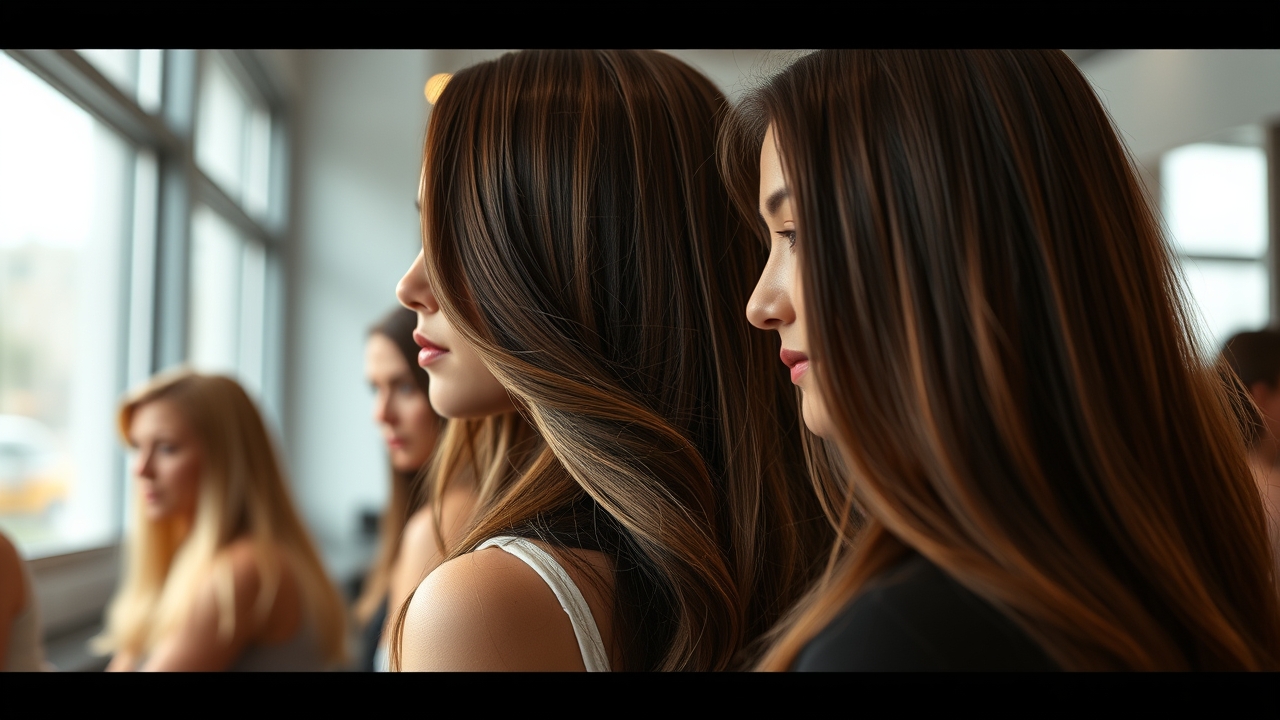
The Definitive Guide to Keratin Treatments: Pros and Cons for Hair Professionals
As a hair professional, navigating the vast and dynamic landscape of hair care services requires an encyclopedic knowledge of treatments, techniques, and their profound implications for both client and stylist. Among the most discussed and sought-after salon services are keratin treatments. These transformative procedures promise sleekness, shine, and manageability, yet they come with a complex array of considerations. This comprehensive guide delves into the intricate world of keratin treatments, offering a balanced, expert-level analysis of their advantages, disadvantages, and critical best practices for the discerning professional.
Understanding keratin treatments goes beyond surface-level aesthetics. It involves grasping the underlying science, the nuanced application processes, and the profound responsibilities that fall upon the professional. This article aims to equip you with the knowledge to make informed decisions, manage client expectations, and uphold the highest standards of safety and efficacy in your salon.
What Are Keratin Treatments?
Keratin treatments are chemical hair smoothing services designed to tame frizz, reduce curl, and enhance shine. The term “keratin” refers to the primary structural protein that makes up hair, skin, and nails. These treatments typically involve applying a liquid keratin solution to the hair, followed by sealing it in with a flat iron. The heat helps to seal the keratin into the hair cuticle, creating a smoother, straighter appearance.
The Science of Keratin
Hair is composed of approximately 90% keratin, a fibrous protein. The natural structure of hair, including its curl pattern and porosity, is determined by the arrangement of disulfide bonds within the hair’s cortex. Keratin treatments work by introducing a new, temporary coating of keratin protein onto the hair shaft. Depending on the specific formulation, these treatments can either temporarily rearrange the hair’s disulfide bonds or simply create a protective layer over the cuticle, resulting in a smoother texture.
Many traditional formulas rely on chemicals that, when heated, release formaldehyde or similar aldehyde compounds. These compounds create a temporary “cross-link” with the hair’s natural keratin, effectively locking the hair into a straighter, smoother configuration. Newer, formaldehyde-free formulations utilize different technologies, such as cysteine or glyoxylic acid, to achieve similar smoothing effects by altering the hair’s outer structure or forming new temporary bonds without the release of potentially hazardous fumes.
Different Types of Keratin Treatments
The market offers a diverse range of keratin treatments, each with unique formulations, application methods, and intended results. Categorizing them helps professionals understand their distinct properties:
- Traditional Keratin Smoothing Treatments: Often associated with longer-lasting, more dramatic straightening effects. These formulations typically contain ingredients that release formaldehyde or aldehyde compounds when heated. They are highly effective at reducing frizz and significantly straightening hair, with results lasting several months.
- Formaldehyde-Free Smoothing Treatments: Developed in response to health concerns, these alternatives utilize ingredients like glyoxylic acid, carbocysteine, or other polymer blends. While generally safer in terms of fumes, their straightening power might be less intense, and longevity can vary. They excel at frizz reduction and enhancing shine, making hair more manageable.
- Cysteine Treatments: These treatments leverage the amino acid cysteine, which is a component of keratin. They typically offer less straightening power than traditional keratin treatments but provide excellent frizz control and conditioning benefits. They are often perceived as a milder option.
- Express Keratin Treatments: Shorter in processing time and often designed to last for a shorter duration (typically weeks rather than months). These are excellent for clients seeking a quick frizz-fix or a temporary smoothing boost without the full commitment of a longer-lasting treatment.
The Treatment Process
While specific steps vary by product and brand, the general process for applying a keratin treatment typically involves:
- Preparation: The hair is thoroughly washed, often with a clarifying shampoo, to remove product buildup and open the cuticle for optimal product penetration.
- Application: The keratin solution is applied section by section to damp or dry hair, ensuring even saturation while avoiding the scalp.
- Processing: The product is allowed to process on the hair for a specified duration, usually between 20-60 minutes, depending on the hair type and desired intensity.
- Drying: The hair is then blow-dried completely, often with a round brush to begin the straightening process.
- Sealing: This is the crucial step. Small sections of hair are meticulously flat-ironed at a high temperature (often 400-450°F or 200-230°C). The heat activates and seals the keratin into the hair, locking in the smooth, straight finish. This step also releases any active compounds, requiring adequate ventilation.
- Rinsing/Finishing (Optional): Some treatments require rinsing the hair immediately after flat ironing, followed by a conditioning treatment. Others are left in until the client’s first wash, usually 24-72 hours later.
The Pros of Keratin Treatments for Hair Professionals and Clients
Keratin treatments offer a compelling suite of benefits that appeal to both the end-user client and the salon professional.
For Clients (Benefits)
- Dramatic Frizz Reduction: This is often the primary driver for clients. Keratin treatments effectively eliminate frizz, even in humid conditions, resulting in significantly smoother and more polished hair.
- Enhanced Shine and Luster: By sealing the cuticle, the treatments create a smooth surface that reflects light more effectively, imparting a healthy, radiant shine.
- Increased Manageability and Reduced Styling Time: Clients often report that their hair becomes much easier to detangle and style. Blow-drying time can be drastically cut, and the need for extensive flat ironing is minimized.
- Temporary Hair Straightening or Wave Relaxation: Depending on the hair’s natural texture and the treatment’s strength, clients can achieve a range from subtle wave relaxation to significant straightening, offering versatility without permanent chemical alteration.
- Protection Against Environmental Damage: The keratin layer can provide a protective barrier against environmental aggressors like humidity and pollution.
- Improved Texture and Softness: Hair often feels softer and silkier to the touch after a treatment, enhancing the overall sensorial experience.
- Long-Lasting Results: While not permanent, the effects typically last for several weeks to a few months, depending on the specific treatment, hair type, and aftercare, offering sustained benefits.
For Hair Professionals (Business Benefits)
- Increased Revenue Stream: Keratin treatments are premium services that command higher prices, significantly boosting salon income. Offering multiple types allows for tiered pricing and broader client appeal.
- Client Retention and Loyalty: Satisfied clients who experience the transformative effects of keratin treatments are highly likely to return for repeat services, fostering long-term loyalty.
- Upselling Opportunities: The service naturally creates opportunities to recommend and sell specialized aftercare products (sulfate-free shampoos, conditioners, styling aids) essential for maintaining the treatment’s longevity, further increasing retail revenue.
- Expanded Service Menu and Market Appeal: Including keratin treatments diversifies your salon’s offerings, attracting a wider demographic of clients seeking solutions for frizzy, unruly, or dull hair.
- Enhanced Professional Reputation: Successfully delivering high-quality keratin treatments can position you as an expert in advanced hair care, distinguishing your salon from competitors.
- Showcasing Expertise: The precise application and technical knowledge required for keratin treatments allow stylists to demonstrate their skill and attention to detail.
The Cons and Considerations of Keratin Treatments
Despite their numerous advantages, keratin treatments come with a set of drawbacks and important considerations that professionals must understand and communicate transparently to clients.
Potential Drawbacks for Clients
- Significant Cost: Keratin treatments are an investment. The price can be a barrier for some clients, and it’s an ongoing expense for maintenance.
- Strict Aftercare Requirements: Clients must adhere to specific aftercare instructions, such as using sulfate-free and sodium chloride-free products, avoiding hair ties or clips for a certain period, and refraining from washing hair immediately after the treatment. Failure to do so can compromise results and longevity.
- Potential for Hair Damage (If Misused): Improper application, using excessively high flat iron temperatures on compromised hair, or incorrect product selection can lead to hair dryness, breakage, or damage over time.
- Chemical Exposure Concerns: Even “formaldehyde-free” products can sometimes contain ingredients that release trace amounts of formaldehyde or other aldehydes when heated. Clients sensitive to chemicals or with respiratory issues may experience irritation. Transparent communication about ingredients is crucial.
- Longevity Varies: Results are not permanent and gradually fade. The duration depends on hair type, lifestyle, frequency of washing, and adherence to aftercare, which can lead to disappointment if expectations aren’t managed.
- Loss of Volume: For clients who cherish their natural hair volume, keratin treatments, especially stronger formulations, can significantly reduce it, making hair appear flatter.
- Not Suitable for All Hair Types: Severely damaged, extremely fine, or highly compromised hair may not be an ideal candidate for certain keratin treatments, as it could exacerbate existing issues.
- Color Alteration: Some keratin treatments, particularly those with higher pH levels or strong chemicals, can slightly lighten or alter hair color, especially on chemically treated or vibrant fashion colors. It’s often recommended to color hair either before or a few weeks after the treatment.
Professional Challenges and Responsibilities
- Health and Safety Protocols: Managing fumes from formaldehyde-releasing treatments requires robust ventilation systems, personal protective equipment (PPE) for stylists and clients, and strict adherence to occupational safety guidelines (e.g., OSHA, FDA recommendations in the USA).
- Extensive Training and Education: Proper application is paramount. Professionals need comprehensive training on product chemistry, application techniques, heat settings, and client suitability to ensure safe and effective results.
- Product Selection Dilemma: The market is flooded with various keratin brands, each with different formulations and claims. Selecting reputable, safe, and effective products requires thorough research and understanding of ingredient lists.
- Client Expectation Management: It’s critical to have an honest consultation about what the treatment can realistically achieve, its longevity, cost, and aftercare requirements to prevent client dissatisfaction.
- Managing Client Reactions: Some clients may experience scalp irritation or allergic reactions. Professionals must be prepared to identify and address such instances and conduct patch tests where appropriate.
- Reputational Risk: Poorly executed treatments or adverse client reactions can significantly harm a salon’s reputation and lead to negative reviews.
- Regulatory Compliance: Staying abreast of evolving local and national regulations concerning chemical hair treatments is a continuous responsibility.
Safety Protocols and Best Practices for Professionals
Implementing stringent safety protocols and best practices is non-negotiable for any salon offering keratin treatments.
Ventilation and PPE
- Adequate Ventilation: Ensure your salon has a robust ventilation system that effectively removes airborne chemicals from the breathing zone of both the stylist and the client. Consider localized exhaust ventilation.
- Personal Protective Equipment (PPE): Stylists should wear appropriate PPE, including chemical-resistant gloves (nitrile is recommended), safety glasses or goggles, and, if necessary, respiratory protection (e.g., an N95 or P100 respirator with organic vapor cartridges) when working with formaldehyde-releasing products.
- Client Protection: Provide clients with capes, towels, and, if they are sensitive, offer a mask. Ensure they are comfortable and informed about the importance of ventilation.
Ingredient Awareness and Product Selection
- Thorough Research: Investigate product ingredients carefully. Understand the difference between “formaldehyde-free” and truly non-aldehyde-releasing products.
- Reputable Brands: Source products from reputable manufacturers that provide clear ingredient lists, safety data sheets (SDS), and comprehensive professional training.
- SDS Review: Always review the Safety Data Sheet for any new product. It contains critical information on hazards, safe handling, storage, and emergency procedures.
Client Consultation and Education
- Detailed Consultation: Conduct a thorough client consultation, including a hair analysis (texture, porosity, elasticity, damage level) and a discussion of their hair history (chemical treatments, color).
- Allergy Patch Test: Always perform a patch test at least 48 hours prior to the full treatment, especially for new clients or those with known sensitivities.
- Set Realistic Expectations: Clearly explain what the treatment can and cannot achieve, its duration, aftercare requirements, and potential side effects. Discuss costs upfront.
- Ingredient Transparency: Be prepared to discuss the product’s ingredients and any potential concerns with the client.
Proper Application Techniques
- Follow Manufacturer Instructions: Adhere strictly to the product manufacturer’s guidelines for application, processing time, and flat iron temperatures. These guidelines are developed for optimal results and safety.
- Temperature Control: Adjust flat iron temperature based on hair type and condition. Higher temperatures are for resistant hair, lower temperatures for fine, color-treated, or damaged hair. Never exceed recommended temperatures.
- Even Saturation: Ensure even product distribution to achieve consistent results. Uneven application can lead to patchy smoothness or frizz.
- Sectioning: Work in small, consistent sections to ensure thorough and even product application and flat ironing.
Aftercare Guidance
- Provide Clear Instructions: Give clients written aftercare instructions covering product recommendations (sulfate-free, sodium chloride-free), waiting periods before washing, and styling precautions.
- Recommend Specific Products: Guide clients on specific professional-grade shampoos, conditioners, and styling products designed to extend the life of their keratin treatment.
- Follow-Up: Offer a follow-up call or check-in after a few days to address any questions or concerns the client may have.
Dispelling Common Myths About Keratin Treatments
Misinformation often circulates regarding keratin treatments. As an expert, it’s crucial to address these myths:
- Myth: Keratin treatments permanently straighten hair.
- Fact: Keratin treatments are semi-permanent. They gradually wash out over several weeks or months. They reduce curl and frizz, but the hair’s natural texture will eventually return.
- Myth: All keratin treatments contain formaldehyde.
- Fact: While many traditional treatments historically did, a significant number of “formaldehyde-free” or “aldehyde-free” options are now available, utilizing different active ingredients to achieve smoothing effects. However, professionals must scrutinize ingredient lists, as some may still release trace amounts of aldehydes when heated.
- Myth: Keratin treatments damage hair.
- Fact: When applied correctly by a trained professional, keratin treatments should not damage hair. In fact, by creating a smoother cuticle and reducing the need for daily heat styling, they can contribute to healthier-looking hair. Damage typically occurs due to improper application, excessive heat, or using the wrong treatment for a client’s hair type.
- Myth: You can’t color your hair after a keratin treatment.
- Fact: You can, but timing is important. It’s generally recommended to color hair either before the keratin treatment or wait at least two weeks after. Some treatments can slightly lighten hair color, so coloring beforehand allows the stylist to adjust the formula.
- Myth: Keratin treatments are a “one-size-fits-all” solution.
- Fact: Different hair types and textures respond differently to various keratin formulations. A thorough consultation is essential to select the most appropriate treatment for each individual client’s needs and hair condition.
Who Is an Ideal Candidate for Keratin Treatments?
Identifying the right client for a keratin treatment is key to client satisfaction and optimal results.
- Clients with Frizzy Hair: This is the primary target. Clients struggling with humidity-induced frizz, regardless of curl pattern, will see significant improvement.
- Clients with Unruly or Coarse Hair: Those whose hair is difficult to manage, style, or takes a long time to blow-dry will benefit from the increased manageability.
- Clients Who Desire Smoother, Straighter Hair: Individuals looking to relax their curl or wave pattern, or achieve a straighter look without the permanence of chemical relaxers, are good candidates.
- Clients with Chemically Treated or Color-Treated Hair: Many keratin treatments are safe for and even beneficial to color-treated hair, as they can help seal the cuticle and enhance shine. However, careful product selection and lower heat settings are crucial.
- Clients Seeking Reduced Styling Time: Professionals should recommend these treatments to busy clients who want to cut down on their daily hair care routine.
Clients who are NOT ideal candidates include those with severely damaged, brittle, or extensively bleached hair, as the heat and chemicals could exacerbate existing damage. Pregnant or nursing individuals should consult their doctor before undergoing any chemical treatment, and professionals should always advise caution.
Alternative and Complementary Services
For clients not suitable for or not desiring a full keratin treatment, professionals can offer alternatives:
- Deep Conditioning and Hydrating Treatments: For frizz caused by dryness or damage, intensive conditioning masks can significantly improve hair texture and appearance.
- Hair Botox Treatments: These are deep conditioning treatments that infuse hair with proteins, vitamins, and antioxidants. They focus on repairing and smoothing the hair cuticle, reducing frizz, and adding shine, but typically offer no straightening effect.
- Cysteine Treatments: As mentioned earlier, these are milder smoothing options that primarily focus on frizz reduction and shine enhancement without aggressive straightening.
- Thermal Reconditioning (Japanese Straightening): A permanent straightening service that chemically alters the hair’s structure. This is for clients seeking stick-straight hair permanently, but it requires significantly more commitment and is irreversible.
- Professional Blowouts: For temporary smoothness and style, a high-quality professional blowout can achieve sleek results for a few days.
Frequently Asked Questions (FAQ)
Q1: How long do keratin treatments typically last?
A1: The longevity of a keratin treatment varies depending on the specific product used, the client’s hair type, their hair care routine, and frequency of washing. Generally, results can last anywhere from 6 weeks to 6 months. Adhering to the recommended aftercare, particularly using sulfate-free and sodium chloride-free products, significantly extends the treatment’s life.
Q2: Can clients wash their hair immediately after a keratin treatment?
A2: Most traditional keratin treatments require a waiting period of 24 to 72 hours before the first wash. This allows the keratin to fully set and bond with the hair. However, some newer express formulations or “rinse-out” treatments allow immediate washing. Always follow the specific manufacturer’s instructions for the product being used.
Q3: Are keratin treatments safe for color-treated hair?
A3: Yes, most modern keratin treatments are safe for color-treated hair. In fact, they can often enhance color vibrancy and shine by sealing the cuticle. It’s generally recommended to apply hair color before a keratin treatment, or wait at least two weeks after the treatment before coloring, as some formulations can slightly alter or lift hair color.
Q4: What’s the difference between a keratin treatment and a chemical relaxer?
A4: A key difference is permanence and mechanism. Chemical relaxers permanently alter the hair’s internal disulfide bonds to straighten it, and the results are irreversible. Keratin treatments, on the other often coat the hair with protein and temporarily rearrange bonds, with results gradually fading over time as the product washes out. Relaxers aim for straightness; keratin aims for smoothness and frizz reduction, with varying degrees of straightening.
Q5: Can clients get a keratin treatment if they are pregnant or breastfeeding?
A5: While many products are marketed as safe, it is always recommended for pregnant or breastfeeding clients to consult with their doctor before undergoing any chemical hair treatment, including keratin treatments. Professionals should err on the side of caution and advise against treatments containing formaldehyde or strong chemicals for these clients.
Q6: Will keratin treatments make hair completely straight?
A6: This depends on the specific treatment and the client’s natural hair texture. While some stronger formulations can achieve significant straightening, especially on wavy hair, they typically reduce frizz and relax curl rather than making hair pin-straight. The result is often straighter, smoother, and more manageable hair, but not necessarily a complete elimination of natural texture.
Q7: What aftercare products should clients use post-treatment?
A7: Clients must use shampoos and conditioners that are sulfate-free (SLS/SLES-free) and sodium chloride-free. These ingredients can strip the keratin from the hair, significantly reducing the treatment’s longevity. Professionals should recommend specific salon-grade products designed for keratin-treated hair, and possibly leave-in conditioners or serums for added protection and shine.
Conclusion
Keratin treatments, when approached with expertise and integrity, represent a powerful tool in the arsenal of the modern hair professional. They offer unparalleled solutions for clients seeking to transform frizzy, unmanageable hair into sleek, shiny, and effortlessly beautiful locks. The benefits for clients – reduced styling time, enhanced shine, and improved manageability – are clear and compelling.
However, the journey into offering these services is not without its complexities. Professionals must commit to continuous education, rigorous safety protocols, ethical product selection, and transparent client communication. Understanding the nuances of different formulations, the critical importance of proper ventilation and PPE, and the art of managing client expectations are paramount to success.
By embracing these best practices, hair professionals can confidently provide exceptional keratin services, build enduring client relationships, and elevate their salon’s reputation as a trusted authority in advanced hair care. The future of hair smoothing is here, and with the right knowledge and commitment, you are poised to lead the way.
Subscribe, Follow, Like, Share, and Comment to stay updated with the latest insights and expert advice!
Recommended Internal Links:
- Understanding Hair Porosity and Its Impact on Treatments
- Advanced Client Consultation Techniques for Stylists
- Maximizing Salon Profitability Through Retail Sales
Discover more from Does Fansly Show Up As Fansly On Credit Card Statement
Subscribe to get the latest posts sent to your email.