
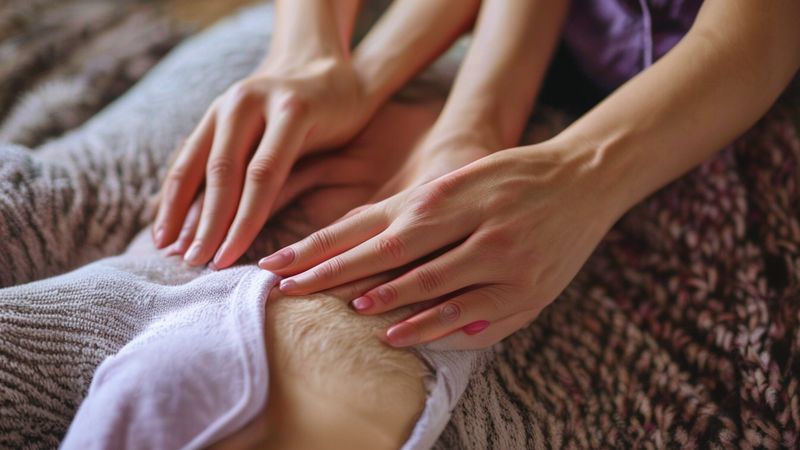
How To Massage Your Partner For Relaxation
Discover the Art of Relaxing Your Partner Through Touch
Imagine the gentle warmth of your hands melting away the day’s stress from your partner’s shoulders, the subtle easing of tension in their neck, and the quiet sighs of contentment that follow. Learning how to massage your partner for relaxation is a beautiful and intimate gift, fostering connection and well-being. It’s more than just a physical act; it’s a way to communicate care, reduce stress, and deepen your bond without saying a word.
Why Give Your Partner a Relaxation Massage?
In today’s fast-paced world, stress and tension are commonplace. A dedicated massage session offers a sanctuary, a break from the demands of daily life. It’s a powerful tool for improving physical and mental health, not just for the recipient but for the giver too.
The Physical Benefits
Regular massage can help release muscle knots and alleviate aches and pains. It improves blood circulation, which can lead to better overall health and energy levels. For your partner, this means feeling more comfortable in their own skin.
The Emotional and Mental Perks
Beyond the physical, massage is incredibly effective at reducing anxiety and promoting a sense of calm. It can improve mood, increase feelings of intimacy, and create a lasting sense of peace. This shared experience strengthens your relationship.
Strengthening Your Connection
The act of giving a massage is an act of giving your undivided attention. This focused care builds trust and intimacy. It’s a tangible way to show you care about their well-being, creating a more connected and loving partnership.
Preparing for the Perfect Partner Massage
Setting the right atmosphere is crucial for a truly relaxing experience. It’s about creating a sanctuary where your partner can completely unwind and let go.
Choosing the Right Environment
Find a quiet, comfortable space where you won’t be interrupted. Dim the lights, perhaps light some candles, and ensure the room temperature is pleasantly warm. Soft, calming music can also enhance the ambiance.
Gathering Your Supplies
You won’t need much, but a few key items can elevate the experience.
- Massage oil or lotion: Choose a good quality, unscented or lightly scented oil that glides well on the skin. Warm it slightly beforehand for added comfort.
- Towels: Have a few soft towels on hand for wiping excess oil and for draping.
- Pillows: Extra pillows can help support your partner’s body, making them more comfortable during the massage.
Communicating with Your Partner
Before you begin, have a brief chat. Ask your partner if there are any specific areas of tension they’d like you to focus on, or any areas they prefer you avoid. This ensures you’re addressing their needs directly.
Essential Massage Techniques for Relaxation
Mastering a few fundamental massage strokes will allow you to effectively ease tension and promote deep relaxation. The key is gentle, rhythmic pressure.
Getting Started: The Warm-Up
Begin by gently placing your hands on your partner’s back, just feeling their warmth and breathing. This is a moment to connect and allow them to settle.
Effleurage: The Gentle Glide
Effleurage involves long, sweeping strokes. Use the palms of your hands to glide smoothly over the muscles. This technique warms the muscles and spreads the oil evenly. Apply gentle, even pressure.
Petrissage: The Kneading Action
Petrissage involves kneading, lifting, and rolling the muscles. Use your fingertips, thumbs, and palms to gently squeeze and lift the tissue. This helps to release deeper muscle tension and improve circulation.
Friction: Targeted Pressure
Friction involves small, circular movements with your fingertips or thumbs. Apply moderate pressure to specific knots or tight areas. Work slowly and pay attention to your partner’s feedback.
Tapotement: The Rhythmic Tapping
Tapotement includes light, brisk tapping or cupping movements. These can be done with the sides of your hands, fingertips, or cupped palms. This technique stimulates the muscles and can be invigorating. Use sparingly and with lighter pressure on areas like the back.
A Step-by-Step Guide: How To Massage Your Partner For Relaxation
Let’s break down a full-body relaxation massage. Remember to move fluidly between techniques and always listen to your partner’s body.
Part 1: The Back Massage
The back is often a major source of tension. This is where you can make a significant impact.
Start by applying a small amount of warmed massage oil to your hands and then to your partner’s back. Begin with gentle effleurage strokes, sweeping your palms from the base of the spine up to the shoulders, and then out towards the sides. Repeat this several times, gradually increasing the pressure as your partner relaxes.
Shoulder and Neck Release
The shoulders and neck are prime spots for stress accumulation. Gently knead the muscles on either side of the shoulder blades using petrissage. Work your way up to the neck, using your thumbs to apply gentle circular friction to the muscles that run along the base of the skull. Be mindful of the pressure here; it should be firm but never painful.
Lower Back Comfort
For the lower back, use broad, sweeping effleurage strokes, avoiding direct pressure on the spine itself. You can also use the heels of your hands to apply a slightly firmer pressure in a circular motion on the larger muscles of the lower back.
Part 2: The Leg and Foot Massage
Tired legs and feet can carry a lot of fatigue. This part of the massage brings soothing relief.
Thigh and Calf Relaxation
Move to the legs. Apply oil and begin with effleurage strokes from the ankle up towards the hip. Use kneading motions (petrissage) on the calf muscles, gently squeezing and lifting. On the thighs, use longer, more sweeping effleurage strokes, and gentle circular friction on any tight spots.
Foot Bliss
The feet are often neglected but hold immense tension. Gently massage the soles of the feet using your thumbs in small circles. Work your way up to the arches and the balls of the feet. Gently pull each toe and then rotate the ankle in both directions. This is often surprisingly effective for deep relaxation.
Part 3: The Arm and Hand Massage
Arms and hands are constantly in use, so giving them attention is essential.
Arm Circulation
Apply oil to the arms, starting from the wrist and moving up to the shoulder using effleurage. Use petrissage on the biceps and triceps. Pay attention to the forearm muscles, as these can hold a lot of tension from daily tasks.
Hand and Finger Care
Massage the palm of the hand with your thumbs, working in circular motions. Gently massage each finger from base to tip, and rotate the wrist. This can be incredibly soothing, especially after a long day of typing or manual work.
Part 4: The Scalp and Face Massage (Optional but Recommended!)
A gentle head and face massage can seal the deal for ultimate relaxation.
Scalp Serenity
Using just your fingertips, gently massage your partner’s scalp in small, circular motions. Work across the entire scalp, from the forehead to the nape of the neck. This can be incredibly calming and relieve headaches.
Facial Release
With very light pressure, use your fingertips to massage the temples, forehead, and around the eyes. You can also gently massage the jawline, an area that often holds significant tension. This is a wonderfully tender way to end the massage.
Tips for an Even Better Relaxation Massage
Elevate your massage skills with these insider tips to ensure your partner feels truly pampered.
- Listen to their body: Pay attention to their breathing, any winces, or sighs. Adjust your pressure accordingly.
- Maintain contact: Try to keep at least one hand on your partner at all times. This creates a continuous, comforting flow.
- Warm your hands: Rub your hands together briskly before starting, or warm the oil between your palms.
- Don’t forget the breath: Encourage your partner to take deep, slow breaths throughout the massage.
- Patience is key: Don’t rush. Allow ample time for each stroke and each area.
Frequently Asked Questions (FAQ) About Partner Massage
Here are answers to common questions about giving a relaxation massage.
Q1: How long should a relaxation massage be?
A good relaxation massage can last anywhere from 20 minutes to an hour, depending on the time you both have available. Even 15-20 minutes can make a significant difference.
Q2: What if my partner has sensitive skin?
If your partner has sensitive skin, opt for a hypoallergenic, unscented massage oil or lotion. Always do a patch test on a small area of skin first.
Q3: How much pressure should I use?
For a relaxation massage, gentle to moderate pressure is generally best. The goal is to ease tension, not to cause pain. Always check in with your partner about the pressure.
Q4: What if I don’t have massage oil?
You can use a good quality, unscented lotion or even a natural oil like coconut oil or almond oil if you don’t have specific massage oil. The key is to have something that allows your hands to glide smoothly.
Q5: Can I massage areas other than the back and limbs?
Yes, you can gently massage the scalp, face, and even the feet. These areas can hold a lot of tension and are often overlooked, making them great for added relaxation.
Conclusion: The Gift of Touch and Relaxation
Learning how to massage your partner for relaxation is a profoundly rewarding skill that benefits both of you. It’s a practice rooted in care, connection, and the simple, powerful act of touch. By setting the right ambiance, mastering a few key techniques, and focusing on your partner’s comfort, you can transform a regular evening into a deeply restorative experience.
Embrace the opportunity to offer this gift of relaxation. It’s a tangible way to strengthen your bond, reduce stress, and enhance your partner’s overall well-being. So, dim the lights, warm up the oil, and discover the incredible power of a loving touch. Your partner will thank you for it!
Discover more from Does Fansly Show Up As Fansly On Credit Card Statement
Subscribe to get the latest posts sent to your email.