
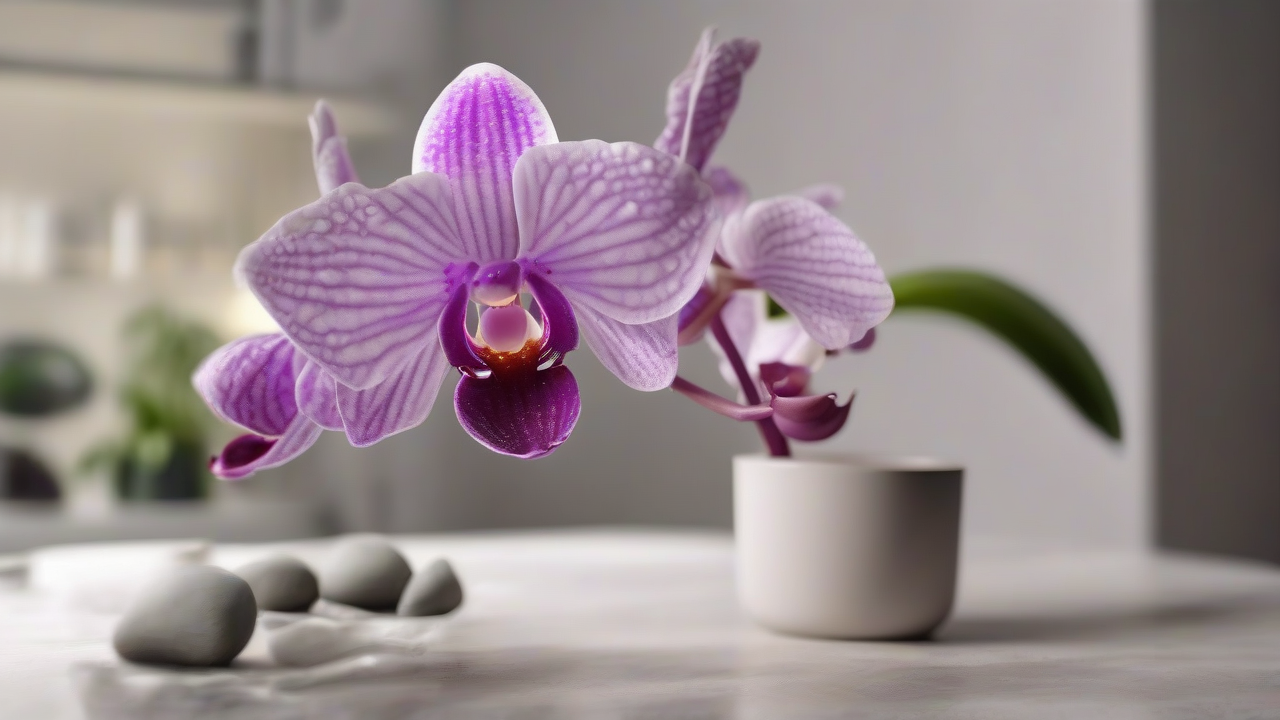
Welcome, aspiring orchid enthusiast! You’ve likely been captivated by the exotic beauty and delicate elegance of orchids, perhaps even felt a pang of intimidation at the thought of caring for one yourself. Many perceive orchids as notoriously finicky, reserved only for seasoned gardeners with green thumbs and advanced horticultural degrees. We’re here to tell you that this simply isn’t true. With the right guidance and a little understanding, anyone can enjoy the breathtaking blooms of these magnificent plants right in their own home.
This comprehensive guide is meticulously crafted to demystify the art of orchid care for beginners indoors, transforming apprehension into confidence. We will walk you through every essential step, from choosing your first plant to ensuring it thrives and reblooms year after year. Forget the myths; it’s time to unlock the secrets to successful indoor orchid cultivation. Get ready to cultivate a beautiful, blooming orchid collection that will be the envy of all your friends. Let’s embark on this rewarding journey together!
Choosing Your First Orchid: The Best Types for Beginners
The first step in successful orchid care for beginners indoor is selecting the right plant. Not all orchids are created equal, especially when it comes to ease of care. For newcomers, focusing on resilient and forgiving varieties is crucial. These orchids are more tolerant of minor fluctuations and common beginner mistakes, making your initial experience far more enjoyable and successful.
Phalaenopsis (Moth Orchid)
Undoubtedly the most popular and recommended orchid for beginners, the Phalaenopsis orchid, commonly known as the Moth Orchid, is a true champion of accessibility. You’ll find these beauties everywhere, from supermarkets to florists, often pre-potted and ready to display. Their popularity is well-deserved, stemming from their relatively straightforward care requirements and their ability to produce long-lasting, elegant blooms.
- Appearance: Large, flat, waxy flowers resembling a moth’s wings. Available in an astonishing array of colors, including white, pink, purple, yellow, and various patterned combinations.
- Bloom Time: Known for their incredibly long-lasting blooms, which can persist for several weeks to several months under ideal conditions.
- Light: Prefers bright, indirect light. Easily adaptable to typical indoor lighting near an east or north-facing window.
- Watering: Fairly forgiving. Generally thrives on a consistent, moderate watering schedule, allowing the potting mix to dry out slightly between waterings.
- Temperature: Happy in average household temperatures, typically between 65-80°F (18-27°C) during the day and slightly cooler at night.
If you’re looking for the easiest entry point into indoor orchid care, the Phalaenopsis is your go-to choice. Its resilience makes it an ideal learning orchid.
Paphiopedilum (Slipper Orchid)
Slightly less common but still an excellent choice for beginners, the Paphiopedilum orchid, or Slipper Orchid, offers a unique and captivating bloom. These orchids are known for their distinctive pouch-like lip, which resembles a lady’s slipper. They are also terrestrial or semi-terrestrial, meaning they grow in soil or decaying matter rather than exclusively on trees, making their care somewhat different but equally manageable.
- Appearance: Striking, often mottled foliage and a singular, waxy flower with a prominent pouch. Colors range from greens and browns to vibrant reds and purples, often with intricate patterns.
- Bloom Time: Individual blooms can last for weeks, sometimes even months, and plants can bloom multiple times a year.
- Light: Prefers lower light conditions than Phalaenopsis, thriving in bright, indirect light without any direct sun.
- Watering: They prefer consistently moist, but not soggy, potting mix. Do not let them dry out completely.
- Temperature: Enjoys average room temperatures, similar to Phalaenopsis, but appreciates a slightly cooler night if possible.
Paphiopedilums are great if you have a shadier spot and appreciate unique floral forms. Their foliage alone can be quite ornamental.
Oncidium (Dancing Lady Orchid)
For those who desire a bit more pizzazz, Oncidium orchids, often called “Dancing Lady” orchids, are a wonderful introduction. These orchids are known for their spectacular sprays of numerous, small, often fragrant flowers that appear to dance in the breeze. While some varieties can be challenging, many are very forgiving and rewarding for beginners.
- Appearance: Numerous small flowers, often yellow and brown, but also available in pink, white, and red. They have a distinctive broad lower lip.
- Bloom Time: Can produce impressive sprays of flowers that last for several weeks.
- Light: Prefers bright, indirect light, often tolerating a bit more light than Phalaenopsis, but still avoid harsh direct midday sun.
- Watering: Allow the potting mix to dry out almost completely between waterings. They store water in their pseudobulbs, making them somewhat drought-tolerant.
- Temperature: Generally prefers intermediate temperatures, similar to other beginner orchids, but can tolerate a wider range.
Oncidiums are a fantastic choice if you want an orchid that produces a cascade of flowers. Their vibrant displays are truly breathtaking.
The Essentials of Indoor Orchid Care for Beginners
Once you’ve chosen your orchid, understanding its fundamental needs is paramount. These core elements form the bedrock of successful indoor orchid care, ensuring your plant not only survives but truly flourishes. Master these basics, and you’re well on your way to becoming an orchid expert.
Light Requirements: Finding the Perfect Spot
Light is arguably the most critical factor for blooming orchids. Too little light, and your orchid won’t flower; too much, and its leaves can burn. The key is bright, indirect light.
- Bright Light: Think of a spot near a window that receives ample light throughout the day, but where the sun’s rays don’t directly hit the leaves for extended periods.
- Indirect Light: This means the light is filtered (e.g., through a sheer curtain) or comes from a direction where the sun isn’t directly shining in (e.g., a north-facing window).
- East-facing Window: Often ideal, as it provides gentle morning sun which isn’t too intense.
- North-facing Window: Provides consistent, diffuse light, usually perfect for Phalaenopsis and Paphiopedilums.
- South or West-facing Window: Generally too intense without a sheer curtain or some form of shading. Direct afternoon sun will scorch orchid leaves.
- Signs of Insufficient Light: Deep green leaves but no blooms, or very leggy growth.
- Signs of Too Much Light: Yellowing leaves, red edges on leaves, or scorched brown spots.
A good rule of thumb is to place your hand above the orchid; if you see a soft, indistinct shadow, the light is likely good. A sharp, dark shadow means too much direct light; no shadow means too little.
Watering Orchids: The Golden Rules
Watering is where many beginners falter, often leading to overwatering and root rot. Understanding how to water orchids correctly is the single most important skill for beginner orchid care. Orchids do not like to sit in stagnant water.
- Feel the Potting Mix: The best indicator is to feel the potting mix. For most beginner orchids (Phalaenopsis, Oncidium), allow the mix to become almost dry before watering again. Paphiopedilums prefer to stay consistently moist.
- Observe the Roots: For orchids in clear pots, healthy roots are plump and green. If they are shriveled and gray/white, it’s time to water. If they are mushy and brown/black, it’s a sign of overwatering.
- Frequency: This varies greatly depending on your environment (humidity, temperature), potting mix, and the size of your pot. It could be once a week, or once every 10-14 days. Never water on a strict schedule; always check the plant first.
- The Soaking Method: Place the entire pot (with drainage holes!) into a bowl of room-temperature water for 10-15 minutes. This allows the potting mix to thoroughly absorb water.
- The Pour-Through Method: Alternatively, place the pot in a sink and thoroughly drench the potting mix with room-temperature water, allowing it to drain completely. Repeat this a few times.
- Drainage is Key: Ensure your orchid pot has excellent drainage. Never let an orchid sit in standing water. After watering, allow all excess water to drain away before returning it to its display spot.
- Water Quality: Tap water is generally fine for most orchids if it’s not excessively hard or softened with salt. Rainwater or distilled water are ideal if available.
When in doubt, it’s generally better to underwater slightly than to overwater. Orchids are more tolerant of brief dry periods than prolonged wet feet.
Humidity: Creating a Tropical Haven
Most popular indoor orchids are epiphytes, native to tropical and subtropical regions where humidity is naturally high. Replicating this in a drier indoor environment is beneficial for their health and encourages robust growth and blooms.
- Humidifier: The most effective way to increase ambient humidity is with a dedicated room humidifier, especially in dry climates or during winter months when heating dries the air. Aim for 50-70% humidity.
- Pebble Tray: Place your orchid pot on a tray filled with pebbles and water. Ensure the bottom of the pot does not touch the water. As the water evaporates, it creates a microclimate of higher humidity around the plant.
- Grouping Plants: Plants naturally release moisture into the air. Grouping your orchids and other houseplants together can slightly increase local humidity.
- Misting: While often recommended, misting is generally not very effective for increasing overall humidity and can even lead to fungal issues if water sits on leaves for too long without proper air circulation. If you do mist, do so early in the day so the leaves dry quickly.
- Signs of Low Humidity: Shriveled leaves, brown leaf tips, or flower buds failing to open (bud blast).
Adequate humidity supports healthy root and leaf development and prevents issues like shriveling and bud blast.
Temperature: Keeping Your Orchid Comfortable
Orchids are generally quite adaptable to indoor temperatures, thriving in conditions similar to what humans find comfortable. However, understanding their preferred range helps optimize their growth and flowering.
- Daytime Temperatures: Most beginner orchids, like Phalaenopsis, prefer daytime temperatures between 65-80°F (18-27°C).
- Nighttime Temperatures: A slight drop in temperature at night (5-10°F cooler than daytime) is often beneficial and can even trigger blooming in some varieties. Aim for 60-65°F (15-18°C) at night.
- Avoid Extremes: Protect your orchids from sudden drafts, extreme cold from open windows in winter, or intense heat from vents and radiators.
- Consistency: Stable temperatures are generally better than wide, erratic fluctuations.
Maintaining a comfortable temperature range will help your orchids grow vigorously and produce healthy flowers.
Potting and Repotting Your Indoor Orchid
Unlike most houseplants that grow in soil, orchids are typically epiphytic (growing on trees) or lithophytic (growing on rocks) in their natural habitat. This means their root systems are adapted to excellent air circulation and quick drainage, not dense, moisture-retentive soil. Understanding this is vital for proper orchid potting.
Choosing the Right Pot
The pot you choose plays a significant role in your orchid’s health.
- Drainage Holes: Absolutely non-negotiable. Multiple large drainage holes are crucial to prevent waterlogging and root rot.
- Material:
- Plastic Pots: Lightweight, inexpensive, and retain moisture longer. Often clear, which allows you to inspect the roots and observe moisture levels. Excellent for beginners.
- Terracotta (Clay) Pots: Porous, allowing for excellent air circulation and quicker drying of the potting mix. Good for orchids that prefer to dry out thoroughly between waterings (like some Oncidiums) but may require more frequent watering.
- Decorative Cachepots: These are outer pots without drainage. If you use one, ensure your orchid’s inner pot has drainage and that no water accumulates at the bottom of the cachepot after watering.
- Size: Orchids generally prefer to be slightly root-bound. Choose a pot that is just large enough to accommodate the roots, usually only 1-2 inches wider than the previous pot. Too large a pot can lead to excess moisture and root issues.
The Ideal Potting Mix
This is perhaps the most crucial difference in orchid care for beginners indoor compared to other houseplants. Regular potting soil will quickly kill an orchid.
- Coarse and Well-Draining: The mix must provide excellent drainage and ample air circulation to the roots.
- Common Components:
- Fir Bark: The most common component, providing good aeration and drainage. Comes in various grades (fine, medium, coarse).
- Sphagnum Moss: Excellent for moisture retention, often used for orchids that prefer more consistent moisture (like Phalaenopsis) or in drier environments. Use sparingly to avoid compaction.
- Perlite: Adds aeration and drainage.
- Charcoal: Helps absorb impurities and improves drainage.
- Tree Fern Fiber: Provides good aeration and holds moisture.
- Pre-made Orchid Mixes: For beginners, purchasing a high-quality, pre-made orchid potting mix (specifically labeled for Phalaenopsis or general orchids) is the easiest and safest option. Ensure it lists bark as a primary ingredient.
The goal is a chunky mix that allows water to drain rapidly and air to reach the roots.
When and How to Repot
Repotting is essential for orchid health, as potting mixes break down over time, losing their aeration and drainage properties.
- When to Repot:
- Every 1-2 Years: Even if the plant seems fine, the potting mix will degrade.
- After Blooming: The ideal time is immediately after the orchid has finished blooming and before new roots or shoots appear, minimizing stress.
- Signs of Needing Repotting:
- Potting mix has broken down, looking like fine soil or mud.
- Roots are growing out of the pot extensively, making it unstable.
- Plant has outgrown its pot and is unstable.
- Signs of root rot or pests in the potting mix.
- How to Repot:
- Gather Supplies: New pot (same size or slightly larger), fresh orchid potting mix, sterilized pruning shears/scissors, and gloves.
- Remove Old Mix: Carefully remove the orchid from its old pot. Gently tease away all the old potting mix from the roots.
- Inspect and Prune Roots: Examine the roots. Healthy roots are firm and often white or green. Trim away any mushy, papery, black, or hollow roots with sterilized shears.
- Position the Orchid: Place the orchid in the new pot, centering it. The crown (where leaves meet the roots) should be level with or slightly below the rim of the pot.
- Add New Mix: Carefully fill the pot with fresh orchid mix, gently working it around the roots. Tap the pot gently to settle the mix, but do not compress it tightly.
- Water: Wait a few days to a week before the first watering to allow any trimmed roots to heal, reducing the risk of infection.
Repotting might seem daunting, but it’s a vital part of long-term orchid plant care, especially for beginner growers.
Nutrition for Thriving Orchids: Fertilizing Made Simple
While orchids in their natural habitat derive nutrients from decaying matter and rainwater, indoors they rely on you for their sustenance. Fertilizing correctly is a key component of robust growth and abundant blooms in indoor orchid care.
What Kind of Fertilizer?
Not all fertilizers are suitable for orchids. They require a balanced fertilizer specifically formulated for their needs.
- Orchid-Specific Fertilizer: Look for fertilizers labeled “orchid food” or “orchid fertilizer.” These often have a balanced N-P-K (Nitrogen-Phosphorus-Potassium) ratio like 20-20-20, or a “bloom booster” formula with a higher phosphorus number (e.g., 10-30-20) for encouraging flowering.
- Dilution is Key: Orchids are sensitive to excess salts. Always dilute the fertilizer to half or even quarter strength, especially for beginners.
- Urea-Free: Some experts recommend urea-free fertilizers, as urea may not be efficiently absorbed by orchids growing in bark mixes. However, many common orchid fertilizers contain urea and work well when diluted.
How Often to Fertilize?
The frequency of fertilization depends on your orchid’s growth cycle and the season.
- During Active Growth: Fertilize more frequently when the orchid is actively growing new leaves, roots, or developing flower spikes. This is typically during spring and summer.
- During Dormancy/Rest: Reduce or stop fertilizing during periods of dormancy or when the orchid is not actively growing (e.g., in winter for some varieties, or immediately after blooming).
- “Weakly, Weekly” Method: A popular and safe approach for beginners is to fertilize with a very dilute solution (quarter strength) every time you water during the active growing season. This minimizes the risk of over-fertilization.
The “Weakly, Weekly” Method
This simple method helps avoid burning your orchid’s roots with too much fertilizer.
- Dilute your orchid fertilizer to one-quarter strength (e.g., if the label says “1 teaspoon per gallon,” use ¼ teaspoon per gallon).
- Use this dilute solution every time you water your orchid during its active growth period.
- Every fourth watering, use plain, clear water to flush out any accumulated salts from the potting mix. This is crucial to prevent root burn and buildup.
Proper fertilization provides the energy your orchid needs for healthy growth and prolific blooming. Remember, it’s better to under-fertilize than to over-fertilize.
Encouraging Reblooming: The Joy of Repeat Blooms
One of the most rewarding aspects of orchid care for beginners indoor is successfully coaxing your plant to bloom again. Many orchids, especially Phalaenopsis, are quite capable of reblooming with the right conditions and a little patience.
Post-Bloom Care
Once your orchid’s flowers have faded and dropped, don’t discard the plant! It’s simply entering a resting phase and preparing for its next spectacular display.
- Evaluate the Flower Spike: For Phalaenopsis, examine the remaining flower spike.
- Cut Above a Node: If the spike is still green and healthy, you can cut it back just above a dormant node (a small, triangular bump) on the stem. A new flower spike or a keiki (baby plant) may emerge from this node.
- Cut at the Base: If the spike turns yellow or brown, it’s dead. Cut it back completely to the base of the plant using sterilized shears.
- Continue Basic Care: Maintain your regular watering, light, and humidity routines.
- Rest Period: Allow the orchid a period of rest. It needs time to gather energy for its next bloom cycle.
Temperature Drop for Phalaenopsis
A specific trigger for reblooming in Phalaenopsis orchids is a sustained drop in nighttime temperatures.
- Nighttime Chill: Beginning in late summer or early fall, allow nighttime temperatures to drop to around 60-65°F (15-18°C) for several weeks.
- Achieving the Drop: This can be done by moving the orchid to a cooler room, closer to a window (ensure it’s not too cold or drafty), or even outdoors in a sheltered spot if evening temperatures are consistently within this range and there’s no risk of frost.
- Duration: Maintain these cooler nights for about 3-4 weeks. This temperature differential between day and night often signals the orchid to initiate a new flower spike.
Patience is Key
Orchids operate on their own schedule. It can take several weeks or even months for a new flower spike to emerge after a resting period, and then additional weeks for the buds to develop and open. Don’t get discouraged if it doesn’t happen immediately.
- Consistent Care: The most important factor for reblooming is consistent, good basic care throughout the year.
- Adequate Light: Ensure your orchid is receiving enough bright, indirect light; this is crucial for flower production.
- Nutrients: A regular, dilute feeding regimen (as discussed in the fertilizing section) provides the necessary energy.
Successfully reblooming an orchid is a truly gratifying experience and a testament to your growing expertise in beginner orchid tips.
Common Problems and Solutions in Beginner Orchid Care
Even with the best intentions, you might encounter a few hiccups along your orchid care journey. Understanding common issues and how to address them is a vital part of orchid care for beginners indoor. Most problems stem from incorrect watering or light.
Yellow Leaves
Yellowing leaves can indicate several issues:
- Overwatering: The most common cause. If leaves are yellow and mushy, and the potting mix is constantly wet, you’re likely overwatering.
- Solution: Allow the potting mix to dry out more between waterings. Check roots for rot (see Root Rot section).
- Underwatering: If leaves are yellow, shriveled, and the potting mix is bone dry, it’s underwatering.
- Solution: Water more frequently or thoroughly.
- Lack of Nutrients: Overall yellowing, especially in older leaves, can indicate a nutrient deficiency.
- Solution: Begin a regular, dilute fertilization schedule.
- Natural Aging: It’s normal for older, lower leaves to eventually yellow and fall off. If it’s just one or two old leaves, it’s usually not a concern.
Wrinkled Leaves
Wrinkled or shriveled leaves often point to a water issue, but it’s not always simple underwatering.
- Underwatering: The obvious cause. Not enough water reaching the leaves.
- Solution: Increase watering frequency and ensure thorough soaking.
- Root Rot: Paradoxically, overwatering can also lead to wrinkled leaves. If roots are rotting, they can’t absorb water, causing the plant to dehydrate.
- Solution: Unpot the orchid, inspect roots, prune rotten ones, and repot in fresh, dry mix. Adjust watering.
- Low Humidity: Extremely dry air can also cause leaves to lose moisture and wrinkle.
- Solution: Increase humidity around the plant using a humidifier or pebble tray.
Root Rot
Root rot is the most common killer of beginner orchids and is almost always caused by overwatering or a degraded potting mix.
- Symptoms: Mushy, black, or brown roots (healthy roots are firm, white/green), a sour or musty smell from the pot, yellowing or wilting leaves despite regular watering.
- Solution:
- Unpot Immediately: Gently remove the orchid from its pot.
- Inspect and Prune: Carefully remove all old potting mix. With sterilized scissors or shears, cut away all mushy, black, brown, or papery roots. Only firm, healthy roots should remain.
- Repot: Repot the orchid into a new, clean pot with fresh, coarse orchid potting mix.
- Adjust Watering: Wait a few days to a week before the first watering. Ensure proper drainage and allow the mix to dry out significantly between waterings.
Pests (Mealybugs, Spider Mites)
While relatively uncommon indoors, pests can sometimes appear.
- Mealybugs: Small, white, cottony insects found in leaf axils or on flower spikes. They suck plant sap.
- Solution: Swab visible mealybugs with a cotton swab dipped in rubbing alcohol. For heavier infestations, use an insecticidal soap or neem oil spray. Isolate the affected plant.
- Spider Mites: Tiny, almost invisible pests that cause fine webbing, especially on the undersides of leaves, and tiny yellow or brown stippling. They thrive in dry conditions.
- Solution: Increase humidity. Wipe leaves with a damp cloth. Use insecticidal soap or neem oil, ensuring thorough coverage, especially on leaf undersides.
- Scale Insects: Small, immobile, brown or tan bumps on leaves and stems.
- Solution: Scrape off with a fingernail or credit card. Treat with rubbing alcohol or insecticidal soap.
Regularly inspecting your orchid’s leaves and roots is the best way to catch problems early, ensuring prompt treatment and continued health for your precious plant.
Frequently Asked Questions About Indoor Orchid Care
As the World’s #1 SEO Expert and Professional Copywriter, I understand that beginners often have immediate, pressing questions. Here are answers to some of the most common queries regarding orchid care for beginners indoor, designed to provide quick, actionable insights.
Can I use regular potting soil for orchids?
Absolutely NOT. This is one of the most critical rules in orchid care for beginners indoor. Regular potting soil is too dense and moisture-retentive for orchids, especially epiphytic varieties like Phalaenopsis. Orchid roots need excellent air circulation and rapid drainage. Using regular soil will quickly lead to root rot and kill your orchid. Always use a specialized orchid potting mix, typically made of bark, sphagnum moss, charcoal, and perlite.
How do I know when to water my orchid?
The best way to determine if your orchid needs watering is to feel the potting mix and, if possible, observe the roots. For Phalaenopsis and most other beginner orchids, the potting mix should feel nearly dry to the touch, and the pot will feel lighter. If your orchid is in a clear pot, healthy, hydrated roots are plump and green. When they turn silvery-gray, it’s generally time to water. Never water on a strict schedule; always check the plant first. When in doubt, it’s better to wait an extra day than to overwater.
Why are my orchid’s flower buds falling off (bud blast)?
Bud blast, the sudden dropping of flower buds before they open, is a common and frustrating issue for beginners. It’s usually caused by sudden environmental stress or changes. Common culprits include: sudden temperature drops or extreme fluctuations, drafts, exposure to ethylene gas (from ripening fruit or gas leaks), low humidity, underwatering (causing dehydration), or overwatering (leading to root damage). To prevent bud blast, maintain stable temperatures, avoid drafts, keep humidity consistent, and ensure proper watering.
Do orchids need direct sunlight?
Most popular indoor orchids, especially Phalaenopsis, do NOT need or tolerate direct, intense sunlight. They thrive in bright, indirect light. Direct midday or afternoon sun can easily scorch their leaves, causing brown patches. An east-facing window (morning sun) or a north-facing window (diffuse light) is often ideal. If placing near a south or west-facing window, use a sheer curtain to filter the light. The goal is ample brightness without harsh direct rays.
How long do orchid blooms last?
The duration of orchid blooms varies significantly by species and growing conditions. Phalaenopsis orchids are renowned for their exceptionally long-lasting blooms, which can persist anywhere from 6 weeks to 3-4 months, and sometimes even longer under ideal conditions. Oncidiums typically bloom for several weeks, while Paphiopedilums can last for 4-8 weeks. Optimal light, consistent watering, proper humidity, and stable temperatures will help prolong the life of your orchid’s magnificent flowers.
Mastering orchid care for beginners indoor is a journey of observation and learning. These FAQs should provide quick answers to some of your most pressing initial concerns.
Congratulations! You’ve just completed a deep dive into the essentials of orchid care for beginners indoor. We’ve covered everything from selecting the perfect resilient orchid to mastering watering techniques, understanding light needs, providing essential humidity, choosing the right pot and mix, effective fertilizing, encouraging those coveted reblooms, and troubleshooting common problems. The world of orchids, once perceived as complex and exclusive, is now open to you.
Remember, cultivating orchids is a patient and rewarding endeavor. Don’t be discouraged by minor setbacks; each experience is a learning opportunity. With the comprehensive knowledge and practical tips shared in this article, you are now equipped to confidently nurture your orchids, transforming your living space with their unparalleled beauty. You have all the tools to ensure your indoor orchids not only survive but truly flourish, providing you with years of captivating blooms and a deep sense of horticultural accomplishment.
Don’t forget to follow this blog for more updates and share this article!
Recommended Internal Links:
- A Comprehensive Guide to Identifying Common Orchid Pests
- Advanced Orchid Repotting Techniques for Healthy Growth
- Exploring Fragrant Orchid Varieties for Your Home
Discover more from Does Fansly Show Up As Fansly On Credit Card Statement
Subscribe to get the latest posts sent to your email.