
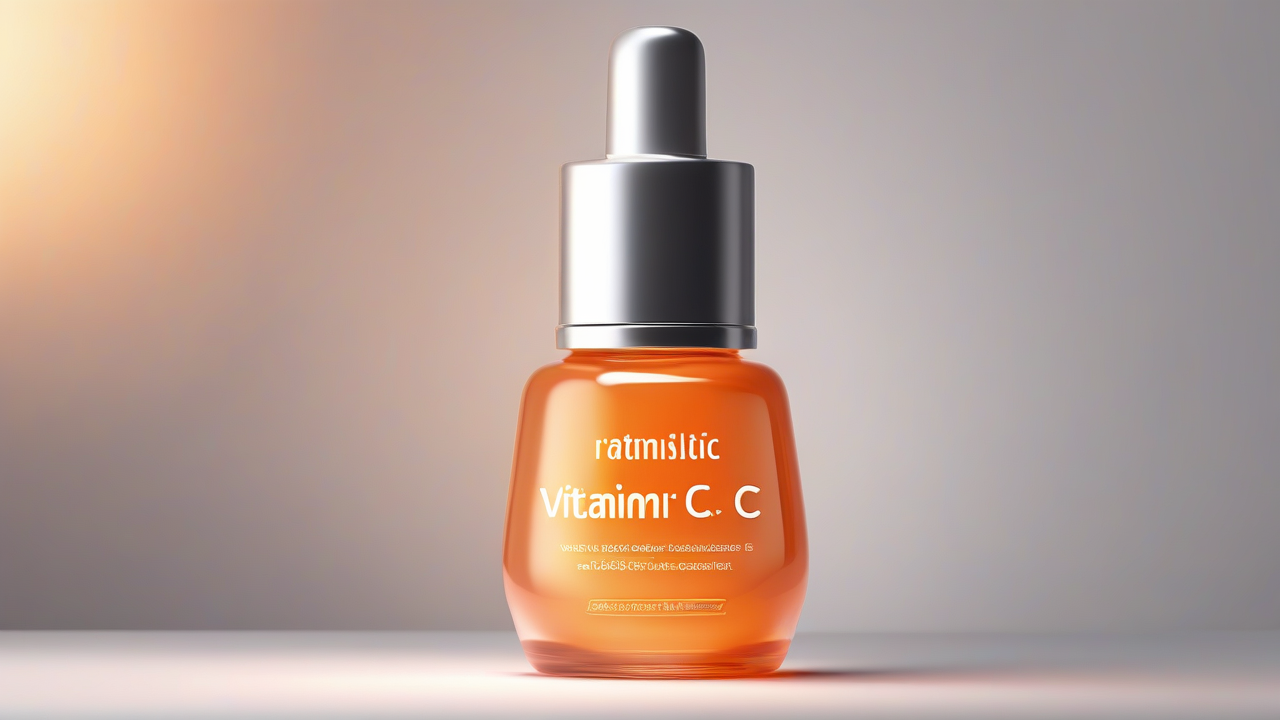
Unlock Your Skin’s True Radiance: The Definitive Guide to Vitamin C Serum Benefits for Face Glow
In the expansive universe of skincare, few ingredients command as much respect and scientific backing as Vitamin C. Revered by dermatologists and beauty enthusiasts alike, this potent antioxidant has solidified its status as an indispensable component for anyone aspiring to achieve a visibly healthier, more luminous complexion. If you’ve ever wondered about the secret behind truly radiant skin, the answer often points directly to a well-formulated Vitamin C serum.
But what precisely makes this ingredient so exceptional? Beyond the marketing buzz, there lies a profound scientific explanation for its transformative effects. Our focus today is to deeply explore the multifaceted vitamin c serum benefits for face glow, dissecting how this powerhouse not only brightens your skin but also safeguards it from environmental aggressors, diminishing the visible signs of aging and fostering an unparalleled luminosity. Prepare to uncover the comprehensive guide to unlocking your skin’s ultimate glow.
Unveiling the Powerhouse: What is Vitamin C Serum?
At its core, a Vitamin C serum is a concentrated topical formulation designed to deliver a high dose of Vitamin C directly to the skin. Unlike orally ingested Vitamin C, which primarily supports internal bodily functions, topical application ensures that the antioxidant directly targets skin cells, where its benefits can be most effectively utilized. It’s not just about applying a “vitamin” to your face; it’s about delivering a precision tool for skin health and aesthetic improvement.
The Science Behind Ascorbic Acid
The most biologically active and well-researched form of Vitamin C used in skincare is L-Ascorbic Acid. This powerful water-soluble vitamin is crucial for numerous bodily functions, but its role in skin health is particularly remarkable. It acts as a formidable antioxidant, meaning it neutralizes free radicals – unstable molecules generated by UV radiation, pollution, and other environmental stressors. These free radicals are notorious for causing oxidative stress, which leads to premature aging, cellular damage, and a dull complexion.
Beyond its antioxidant prowess, L-Ascorbic Acid plays a pivotal role in collagen synthesis, the process by which our skin produces collagen, the protein responsible for skin’s firmness and elasticity. Without sufficient Vitamin C, our bodies simply cannot produce collagen efficiently. This dual action—antioxidant protection and collagen support—lays the foundation for its profound benefits.
Why Serum Form Matters
The choice of a serum, as opposed to a cream or lotion, is deliberate and crucial for maximizing the efficacy of Vitamin C. Serums are typically lightweight, fast-absorbing formulations designed to deliver a high concentration of active ingredients deep into the skin. Their usually smaller molecular structure allows for better penetration, ensuring that the potent Vitamin C reaches the layers where it can exert its most significant impact.
Furthermore, because Vitamin C, especially L-Ascorbic Acid, is notoriously unstable and susceptible to degradation when exposed to light, air, and heat, serums are often formulated with stabilizers and packaged in dark, opaque, or airless containers to preserve their potency. This careful formulation and packaging are essential for delivering a product that genuinely works.
The Core Promise: Vitamin C Serum Benefits for Face Glow
The quest for a radiant, healthy complexion is universal, and Vitamin C serum stands out as a beacon of hope for achieving this goal. Its ability to impart a noticeable “glow” isn’t merely anecdotal; it’s a direct result of its intricate biological mechanisms. Let’s delve into the specific vitamin c serum benefits for face glow that make it an indispensable part of a sophisticated skincare regimen.
Radiant Skin Brightening and an Even Complexion
One of the most celebrated vitamin c serum benefits for face glow is its unparalleled ability to visibly brighten the skin and promote a more uniform skin tone. This brightening effect is not merely superficial; it targets the root causes of dullness and hyperpigmentation.
- Inhibition of Melanin Production: Vitamin C acts as a tyrosinase inhibitor. Tyrosinase is an enzyme essential for the synthesis of melanin, the pigment responsible for skin color. By inhibiting tyrosinase, Vitamin C effectively reduces the overproduction of melanin, which is the primary cause of dark spots, sun spots, age spots, and post-inflammatory hyperpigmentation (PIH) left behind by acne breakouts.
- Fading Dark Spots: Regular use of a Vitamin C serum helps to fade existing dark spots and discolored patches, leading to a clearer, more luminous complexion. This targeted action makes it an excellent choice for individuals struggling with uneven skin tone due to sun damage or hormonal fluctuations like melasma.
- Overall Luminosity: Beyond treating specific spots, Vitamin C enhances the skin’s overall radiance, giving it a healthy, youthful glow that appears to emanate from within. It combats the sallow, tired look often associated with environmental damage and lack of sleep, revealing a brighter, more vibrant appearance.
The cumulative effect is a significant improvement in skin clarity and luminosity, making the skin appear naturally brighter and more vibrant.
Potent Antioxidant Protection Against Environmental Damage
Our skin is constantly under siege from environmental aggressors. UV radiation from the sun, pollution, cigarette smoke, and even artificial blue light generate harmful free radicals that damage skin cells, collagen, and elastin. This damage manifests as premature aging, dullness, and a compromised skin barrier.
- Neutralizing Free Radicals: Vitamin C is a powerful antioxidant that directly neutralizes these free radicals, preventing them from wreaking havoc on your skin. Think of it as a shield, absorbing the oxidative stress before it can harm your delicate skin structures.
- Synergistic Protection: When combined with other antioxidants like Vitamin E and Ferulic Acid, Vitamin C’s protective capabilities are significantly amplified. This synergistic blend creates a formidable defense system, providing superior protection against daily environmental assaults.
- Reducing Photoaging: By mitigating the effects of oxidative stress caused by sun exposure, Vitamin C serum helps to prevent and even reverse some signs of photoaging, such as fine lines, wrinkles, and texture irregularities, contributing to a more youthful and glowing appearance.
This protective barrier is crucial for maintaining a healthy, resilient complexion that can better withstand the challenges of modern living, preserving your skin’s natural glow.
Boosting Collagen Production for Firmer, Youthful Skin
Collagen is the scaffolding of our skin, providing its structure, firmness, and elasticity. As we age, our natural collagen production declines, leading to the formation of fine lines, wrinkles, and sagging skin. This loss of structural integrity directly impacts the skin’s smooth texture and youthful glow.
- Essential Cofactor: Vitamin C is an essential cofactor for two enzymes crucial in collagen synthesis: prolyl hydroxylase and lysyl hydroxylase. These enzymes are vital for stabilizing and cross-linking collagen molecules, forming strong, healthy collagen fibers.
- Improving Skin Firmness: By stimulating the production of new collagen, Vitamin C serum helps to plump up the skin, reducing the appearance of fine lines and wrinkles. This renewed collagen support restores skin firmness and elasticity, giving the complexion a smoother, more supple feel.
- Restoring Youthful Contours: Over time, consistent use can lead to a noticeable improvement in skin texture and resilience, contributing to a more youthful and lifted appearance. The improved underlying structure reflects light more evenly, enhancing the overall glow.
The ability of Vitamin C to bolster our skin’s collagen reserves makes it an anti-aging superstar, directly contributing to a visibly smoother, firmer, and more radiant complexion.
Reducing Inflammation and Redness for a Calmer Appearance
Inflammation is a common culprit behind a dull, irritated, and uneven skin tone. Conditions like acne, rosacea, and general skin sensitivity often manifest as redness, swelling, and discomfort, obscuring the skin’s natural luminosity.
- Anti-inflammatory Properties: Vitamin C possesses inherent anti-inflammatory properties that can help soothe irritated skin and reduce redness. It works by modulating inflammatory pathways within the skin, leading to a calmer, more balanced complexion.
- Minimizing Acne-Related Redness: For those prone to acne, Vitamin C can help diminish the visible redness associated with breakouts and reduce the severity of post-inflammatory erythema (red marks) that linger after blemishes heal. This helps the skin recover faster and prevents new hyperpigmentation.
- Supporting Skin Healing: By calming inflammation, Vitamin C creates a more favorable environment for skin healing and regeneration. This allows the skin to repair itself more efficiently, leading to a healthier skin barrier and a more even, glowing appearance.
A reduction in redness and inflammation significantly contributes to a clearer, more harmonious skin tone, allowing your natural glow to shine through unobstructed.
Enhancing Skin Hydration and Barrier Function
A well-hydrated skin barrier is fundamental to a healthy, glowing complexion. When the skin barrier is compromised, it struggles to retain moisture, leading to dryness, flakiness, and increased sensitivity. This not only makes the skin feel uncomfortable but also diminishes its natural radiance.
- Strengthening the Skin Barrier: Vitamin C plays a role in supporting the synthesis of lipids (fats) that are essential components of the skin barrier. A robust skin barrier is better equipped to protect against environmental aggressors and prevent transepidermal water loss (TEWL).
- Improving Moisture Retention: By enhancing the skin’s natural barrier function, Vitamin C indirectly helps improve its ability to retain moisture. Well-hydrated skin appears plumper, smoother, and more supple, reflecting light more effectively and contributing to a dewy glow.
- Synergy with Hydrating Ingredients: While not a primary hydrator like hyaluronic acid, Vitamin C can work synergistically with hydrating ingredients in your routine to ensure your skin remains adequately moisturized, further enhancing its overall health and glow.
By contributing to a stronger, healthier skin barrier, Vitamin C ensures that your skin remains adequately hydrated and protected, forming the foundation for a truly vibrant and enduring glow.
Accelerating Skin Cell Turnover for Smoother Texture
Our skin is constantly renewing itself, shedding old, dead cells to make way for fresh ones. However, this process can slow down due to age, sun damage, or various skin conditions, leading to a buildup of dead skin cells that result in a dull, rough texture and clogged pores.
- Gentle Exfoliation and Renewal: While not a direct exfoliant like AHAs or BHAs, Vitamin C contributes to improved skin cell turnover. By promoting healthier cell function and encouraging the natural shedding process, it helps to reveal the fresher, brighter skin beneath.
- Refined Skin Texture: Regular use of Vitamin C serum can lead to a noticeable improvement in skin texture. Pores may appear less prominent, and the skin feels smoother to the touch. This refined surface reflects light more uniformly, significantly enhancing the skin’s luminosity.
- Combating Dullness: By preventing the accumulation of dead skin cells, Vitamin C directly addresses skin dullness, which is a common barrier to achieving a youthful glow. It helps to keep the skin looking fresh, vibrant, and continually renewed.
The acceleration of skin cell turnover is a subtle yet profound benefit, paving the way for a consistently smoother, more even, and visibly glowing complexion.
Decoding the Labels: Choosing the Best Vitamin C Serum for Your Glow Journey
With an overwhelming array of Vitamin C serums on the market, selecting the right one can feel daunting. However, understanding a few key factors about formulation, concentration, and packaging can empower you to make an informed choice that truly benefits your skin and maximizes the vitamin c serum benefits for face glow.
Forms of Vitamin C: L-Ascorbic Acid and its Derivatives
While L-Ascorbic Acid is the gold standard due to its direct bioavailability, it’s also the most unstable. Fortunately, several derivatives exist that offer enhanced stability, gentler application, and can be suitable for different skin types:
- L-Ascorbic Acid (L-AA): The purest and most potent form. Highly effective, but notoriously unstable, requiring careful packaging and formulation (low pH, often with Vitamin E and Ferulic Acid). Best for those seeking maximum efficacy and who can tolerate its potency. Can sometimes be irritating for very sensitive skin.
- Sodium Ascorbyl Phosphate (SAP): A stable, water-soluble derivative. It converts into L-Ascorbic Acid upon absorption. Known for its anti-acne properties and gentler nature, making it suitable for sensitive or blemish-prone skin.
- Magnesium Ascorbyl Phosphate (MAP): Another stable, water-soluble derivative. It’s gentle, hydrating, and has good brightening properties. Excellent for sensitive skin.
- Ascorbyl Glucoside: A water-soluble, stable form that slowly releases L-Ascorbic Acid when applied to the skin. Good for brightening and even skin tone, and generally well-tolerated.
- Tetrahexyldecyl Ascorbate (THD Ascorbate): An oil-soluble, highly stable, and potent derivative. It penetrates deeper into the skin due to its lipid solubility and is often very well-tolerated, even by sensitive skin. Excellent for anti-aging and brightening.
The “best” form depends on your skin type, concerns, and sensitivity levels. If your skin is robust, L-AA offers the fastest and most dramatic results. For sensitive or reactive skin, a derivative might be a better starting point.
Concentration Matters: Finding Your Sweet Spot
Vitamin C serums typically range in concentration from 5% to 20%. Higher percentages aren’t always better, especially when starting out.
- 5-10% Concentration: Ideal for beginners or those with sensitive skin. It offers effective antioxidant protection and gentle brightening without overwhelming the skin.
- 10-15% Concentration: A common and effective range for most skin types, providing significant benefits in terms of brightening, collagen boosting, and antioxidant protection.
- 15-20% Concentration: For experienced users whose skin has acclimated to Vitamin C, offering maximum potency. Anything above 20% can increase the risk of irritation without necessarily yielding additional benefits.
Start low and go slow. Observe how your skin reacts and gradually increase concentration if desired. Consistency is far more important than intensity.
Companion Ingredients: Synergistic Powerhouses
Some formulations pair Vitamin C with other beneficial ingredients that enhance its stability and efficacy:
- Vitamin E: A lipid-soluble antioxidant that works synergistically with Vitamin C, providing enhanced protection against free radicals. Vitamin C regenerates oxidized Vitamin E, allowing it to continue its protective work.
- Ferulic Acid: A plant-based antioxidant that not only stabilizes Vitamin C but also boosts its photoprotective properties, making the combination even more effective against sun damage.
- Hyaluronic Acid: Provides vital hydration, plumping the skin and counteracting any potential dryness or irritation from Vitamin C, contributing to a dewy glow.
- Peptides: Can work alongside Vitamin C to further support collagen production and improve skin firmness.
Look for these combinations on ingredient lists for a truly optimized formula.
Packaging and Stability: Protecting Potency
Given Vitamin C’s instability, packaging is paramount. Exposure to light, air, and heat can rapidly degrade L-Ascorbic Acid, turning it ineffective (and sometimes even harmful). A good Vitamin C serum will typically come in:
- Dark or Opaque Bottles: To minimize light exposure.
- Airless Pumps or Droppers: To limit oxygen exposure.
- Small Sizes: To ensure you finish the product before it significantly degrades.
If your clear Vitamin C serum turns dark orange or brown, it has oxidized and lost its efficacy. It’s time to replace it.
Mastering Application: How to Integrate Vitamin C Serum into Your Routine
Once you’ve chosen the ideal Vitamin C serum, knowing how to properly incorporate it into your daily skincare routine is crucial to maximize its vitamin c serum benefits for face glow and ensure optimal results.
When to Apply: Morning vs. Night
The general consensus among dermatologists is to apply Vitamin C serum in the morning. This allows its powerful antioxidant properties to provide protection against environmental stressors (like UV and pollution) encountered throughout the day. However, some prefer evening application to aid in overnight repair processes. Ultimately, consistency is key, so choose the time that best fits your routine and ensures regular use.
The Right Order: Layering for Maximum Impact
Skincare layering follows a “thinnest to thickest” rule. Here’s where Vitamin C serum typically fits:
- Cleanse: Start with a clean face to remove impurities and prepare the skin for absorption.
- Tone (Optional): If you use a toner, apply it after cleansing.
- Vitamin C Serum: Apply 3-5 drops of your Vitamin C serum to your face and neck, gently pressing it into the skin. Allow a minute or two for full absorption.
- Other Serums: If you use other targeted serums (e.g., hyaluronic acid, niacinamide), apply them next.
- Moisturizer: Lock in all the goodness with a hydrating moisturizer.
- Sunscreen (Morning Only): This is non-negotiable! Always finish your morning routine with a broad-spectrum SPF 30+ sunscreen. Vitamin C enhances sunscreen’s protective abilities, but does not replace it.
Patch Testing and Patience: A Gentle Approach
As with any potent active ingredient, particularly L-Ascorbic Acid, it’s wise to perform a patch test before incorporating a new Vitamin C serum into your full routine. Apply a small amount to an inconspicuous area (like behind your ear or on your inner forearm) for a few days to check for any signs of irritation, redness, or allergic reaction.
Patience is also a virtue. While some benefits like immediate brightening can be noticed within weeks, significant improvements in hyperpigmentation, collagen production, and overall skin texture often take 8-12 weeks or even longer of consistent daily use. Don’t get discouraged if you don’t see instant overnight results; good skincare is a journey, not a sprint.
Essential Partners: Sunscreen is Non-Negotiable
While Vitamin C provides antioxidant protection against UV-induced damage, it does not act as a sunscreen. In fact, using Vitamin C serum makes the application of sunscreen even more critical. The synergy between Vitamin C and a broad-spectrum SPF provides the most robust defense against photoaging and ensures that your efforts to achieve a glowing complexion are not undermined by new sun damage. Think of Vitamin C as a booster for your sunscreen, enhancing its protective power, but never replacing it.
Common Misconceptions and FAQs About Vitamin C Serum
Despite its popularity, many questions and misconceptions surround Vitamin C serum. Addressing these can help you confidently harness all the vitamin c serum benefits for face glow.
Is Vitamin C serum suitable for all skin types?
Generally, yes, Vitamin C serum can be beneficial for most skin types, including oily, dry, combination, and normal skin. However, individuals with very sensitive skin, or those prone to rosacea, might find high concentrations of L-Ascorbic Acid irritating. In such cases, starting with a lower concentration (5-10%) or opting for a gentler derivative like Magnesium Ascorbyl Phosphate or Tetrahexyldecyl Ascorbate is recommended. Always patch test first.
Can I use Vitamin C serum with other actives like Retinol or AHAs?
This is a common concern. Traditionally, it was advised not to mix Vitamin C (especially L-Ascorbic Acid, which has a low pH) with ingredients like Retinol, AHAs (Alpha Hydroxy Acids), or BHAs (Beta Hydroxy Acids) due to potential irritation or inactivation. However, modern formulations and research suggest that it is possible to use them together, but with caution.
- Separating application: The safest approach is to use Vitamin C in the morning and Retinol/AHAs/BHAs in the evening.
- Alternating days: You can also alternate days, using Vitamin C one day and your other active the next.
- Buffering: For sensitive skin, you might apply a moisturizer before your active to create a buffer.
If you choose to layer them, ensure your skin is tolerant, and always listen to your skin for signs of irritation.
How long does it take to see results from Vitamin C serum?
Results vary depending on individual skin concerns, the concentration of the serum, and consistency of use. Many users report an immediate boost in radiance and a feeling of freshness within a few weeks. More significant changes, such as fading dark spots, improved skin texture, and increased collagen production, typically take 8-12 weeks of consistent daily use. Patience and dedication are key to experiencing the full vitamin c serum benefits for face glow.
What are the signs of an expired or oxidized Vitamin C serum?
An oxidized Vitamin C serum (especially L-Ascorbic Acid) will typically change color, becoming a dark yellow, orange, or even brownish hue. It may also develop an unusual, metallic smell. Once oxidized, the serum loses its efficacy and can even generate free radicals, potentially doing more harm than good. It’s crucial to store your serum correctly (cool, dark place) and discard it if you notice these changes.
Does Vitamin C serum make your skin more sensitive to the sun?
No, quite the opposite. Vitamin C is a powerful antioxidant that helps protect the skin from sun damage by neutralizing free radicals produced by UV exposure. It doesn’t make your skin more sensitive to the sun like some exfoliants (e.g., AHAs). However, this protection is not a substitute for sunscreen. You should always use a broad-spectrum SPF 30 or higher daily when using Vitamin C serum to maximize its benefits and protect your skin.
Can pregnant or breastfeeding individuals use Vitamin C serum?
Most dermatologists consider Vitamin C serum to be safe for use during pregnancy and breastfeeding. It’s a naturally occurring antioxidant found in the skin. However, it is always best to consult with your doctor or dermatologist before introducing any new skincare products into your routine during pregnancy or lactation, especially if you have concerns about specific formulations or concentrations.
Conclusion: Embrace the Radiance with Vitamin C Serum
The journey to truly glowing skin is often paved with consistent care, scientific understanding, and the judicious use of potent ingredients. As we’ve thoroughly explored, the vitamin c serum benefits for face glow are not merely a skincare fad but are deeply rooted in scientific efficacy. From its remarkable ability to brighten skin and fade hyperpigmentation to its crucial role in boosting collagen, providing unparalleled antioxidant protection, and soothing inflammation, Vitamin C serum stands as a cornerstone in any sophisticated skincare regimen.
Embracing a high-quality Vitamin C serum means investing in a brighter, firmer, and more resilient complexion that radiates health and vitality. It’s about empowering your skin to defend itself against the daily onslaught of environmental damage, while simultaneously promoting its natural reparative and regenerative processes. The result is not just a temporary sheen but a profound, lasting glow that reflects true skin health.
Make the informed choice to integrate this skincare superstar into your daily routine. Witness firsthand as your skin transforms, revealing the luminous, even-toned, and youthful complexion you’ve always desired. Your path to unparalleled radiance begins now.
Don’t forget to follow this blog for more updates and share this article!
You might also be interested in:
- The Ultimate Guide to Hyaluronic Acid: Your Skin’s Hydration Hero
- Retinol for Beginners: Unlocking the Power of Vitamin A
- The Best Sunscreens for Every Skin Type: Your Daily Defense
Discover more from Does Fansly Show Up As Fansly On Credit Card Statement
Subscribe to get the latest posts sent to your email.