
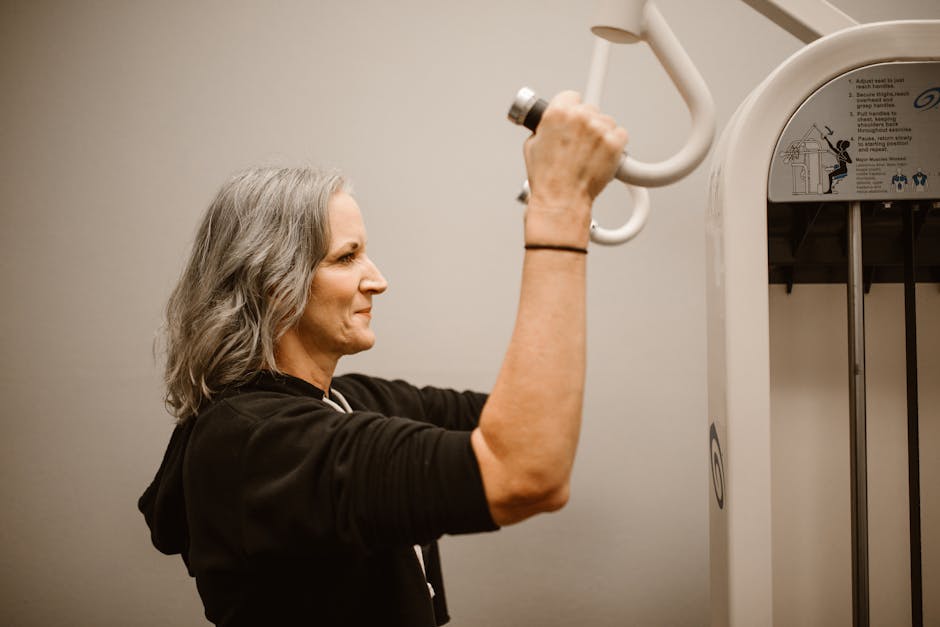
Intermittent Fasting Benefits For Women Over 50
Navigating the Midlife Metabolism: Intermittent Fasting for Women Over 50
The landscape of health and wellness is constantly evolving, and for women entering their 50s and beyond, understanding how to optimize their bodies for this new chapter is paramount. Hormonal shifts, particularly the decline in estrogen during perimenopause and menopause, can profoundly impact metabolism, energy levels, bone density, and overall well-being. Amidst a sea of dietary advice, intermittent fasting (IF) has emerged as a powerful and often surprisingly effective strategy for women navigating these changes. Far from a restrictive fad, IF is a pattern of eating that cycles between periods of voluntary fasting and non-fasting. This approach, when implemented thoughtfully and tailored to individual needs, can unlock a cascade of health benefits specifically for the mature female body, addressing common concerns like weight management, metabolic health, and even cognitive function.
Unlocking the Power of Intermittent Fasting: What’s Different for Women Over 50?
While the fundamental principles of intermittent fasting apply across genders and age groups, certain considerations are particularly crucial for women over 50. The delicate hormonal balance of midlife women requires a nuanced approach to IF to ensure it supports, rather than stresses, their bodies. During perimenopause and menopause, estrogen levels fluctuate and then decline, impacting insulin sensitivity, fat storage, and the body’s stress response. For some women, aggressive or prolonged fasting can exacerbate hormonal imbalances, leading to increased stress hormones like cortisol, which can, in turn, hinder weight loss and negatively affect sleep and mood. Therefore, a gentler, more adaptable form of IF is often recommended. The goal is to harness the cellular repair and metabolic optimization benefits of fasting without triggering a significant stress response that could disrupt delicate hormonal equilibrium. It’s about working with the body’s natural shifts, not against them.
Key Benefits of Intermittent Fasting for Women Over 50
The science behind intermittent fasting is increasingly robust, revealing a multitude of potential advantages that can significantly enhance the quality of life for women over 50. These benefits extend beyond simple weight loss, touching upon critical aspects of health that become more prominent with age.
-
Improved Insulin Sensitivity and Blood Sugar Control:
One of the most significant benefits of intermittent fasting for women over 50 is its profound impact on insulin sensitivity. As women approach menopause, their bodies can become less responsive to insulin, the hormone responsible for regulating blood sugar. This decreased sensitivity, known as insulin resistance, can lead to elevated blood sugar levels, increasing the risk of type 2 diabetes, metabolic syndrome, and cardiovascular disease. Intermittent fasting helps to reset this process. By creating periods without food intake, insulin levels naturally drop. Over time, this can allow the body’s cells to become more receptive to insulin, leading to better blood sugar management. This is particularly vital as the risk of developing type 2 diabetes rises with age and hormonal changes. Regular IF can help keep blood sugar levels within a healthy range, reducing the long-term risks associated with hyperglycemia.
-
Enhanced Weight Management and Body Composition:
Weight management often becomes a significant concern for women over 50. The decrease in estrogen can lead to a redistribution of body fat, often favoring the abdominal area (visceral fat), which is linked to increased health risks. Intermittent fasting can be a powerful tool for shedding stubborn weight and improving body composition. During fasting periods, the body, deprived of glucose from food, begins to tap into stored fat for energy. This process, known as ketosis, can be highly effective for fat loss. Furthermore, IF can help regulate ghrelin (the hunger hormone) and leptin (the satiety hormone), potentially reducing overall calorie intake by curbing cravings and increasing feelings of fullness. For women over 50, this means a more sustainable and less frustrating approach to achieving a healthier weight, which in turn positively impacts joint health, energy levels, and self-esteem.
-
Cellular Repair and Autophagy:
Autophagy, often referred to as the body’s “cellular housekeeping” process, is significantly upregulated during fasting. This is a critical mechanism where cells clear out damaged components, old proteins, and waste products, and then regenerate newer, healthier cells. For women over 50, promoting cellular repair is essential for combating the effects of aging. Autophagy plays a role in preventing the accumulation of cellular damage that can contribute to chronic diseases and age-related decline. By engaging in intermittent fasting, women can actively support this vital cellular renewal process, potentially slowing down aging at a cellular level and contributing to increased longevity and vitality.
-
Improved Cognitive Function and Brain Health:
The brain, like all organs, benefits from the metabolic shifts induced by intermittent fasting. During fasting, the body increases the production of brain-derived neurotrophic factor (BDNF), a protein that supports the growth, survival, and function of neurons. BDNF is crucial for learning, memory, and overall cognitive health. As women age, maintaining sharp cognitive function becomes increasingly important. Intermittent fasting may offer a protective effect against age-related cognitive decline and neurodegenerative diseases like Alzheimer’s. Studies suggest that IF can improve memory, attention, and processing speed. The metabolic flexibility that IF promotes, allowing the brain to efficiently switch between glucose and ketones for fuel, is also believed to contribute to its neuroprotective benefits.
-
Reduced Inflammation:
Chronic inflammation is a silent driver of many age-related diseases, including heart disease, arthritis, and certain cancers. Intermittent fasting has been shown to reduce markers of inflammation in the body. By reducing oxidative stress and improving cellular repair mechanisms, IF can help to dampen the inflammatory response. This anti-inflammatory effect is particularly beneficial for women over 50, as the risk of inflammatory conditions tends to increase with age. A reduction in inflammation can lead to improved joint health, better cardiovascular function, and an overall sense of well-being.
-
Potential for Improved Bone Health:
Osteoporosis is a significant concern for postmenopausal women due to the decline in estrogen, which plays a crucial role in bone maintenance. While the direct impact of IF on bone density is still an area of ongoing research, some evidence suggests potential benefits. By improving metabolic health, nutrient absorption (when eating), and potentially reducing inflammation, IF could indirectly support bone health. Some studies even indicate that IF might stimulate bone remodeling processes. However, it’s crucial to ensure adequate intake of calcium and vitamin D during the eating windows to support bone density. IF should be considered a complementary strategy, not a replacement for established bone health protocols.
-
Hormonal Balance Support (with caution and proper approach):
This is a nuanced benefit, and it’s essential to emphasize the “with caution and proper approach.” While aggressive fasting can be detrimental to hormonal balance in some women over 50, a well-structured and adaptable IF regimen can actually support it. By improving insulin sensitivity, IF can indirectly influence other hormone levels, including those related to stress and reproduction. Furthermore, by promoting a healthier weight and reducing inflammation, IF can create a more balanced internal environment that is more conducive to hormonal equilibrium. The key is to listen to your body, avoid prolonged or extreme fasting, and prioritize nutrient-dense foods during your eating windows. For women experiencing significant menopausal symptoms, consulting with a healthcare professional is vital to determine the most appropriate IF approach.
Popular Intermittent Fasting Methods for Women Over 50
The beauty of intermittent fasting lies in its flexibility. For women over 50, choosing a method that aligns with their lifestyle and physiological needs is paramount. The goal is sustainability and effectiveness, not deprivation. Here are some of the most suitable IF approaches:
-
The 16/8 Method:
This is arguably the most popular and beginner-friendly method. It involves fasting for 16 hours and having an 8-hour eating window each day. For example, you might finish dinner at 7 PM and not eat again until 11 AM the next day. This allows for a significant fasting period overnight and into the morning, which can be easily integrated into most daily schedules. The 16/8 method is often well-tolerated by women over 50 as it doesn’t involve excessively long fasting periods and allows for regular meals during the eating window, ensuring adequate nutrient intake.
-
The 14/10 Method:
A gentler variation of the 16/8 method, the 14/10 approach involves a 14-hour fasting period and a 10-hour eating window. This is an excellent starting point for women new to IF or those who find 16 hours too challenging. For instance, finishing dinner at 8 PM and eating again at 10 AM. This slightly shorter fasting window can still provide significant metabolic benefits while being more manageable for some women, especially those who experience hunger earlier in the morning.
-
The 5:2 Diet (Modified):
While traditionally the 5:2 diet involves eating normally for five days and severely restricting calories (around 500-600) on two non-consecutive days, a modified approach can be beneficial for women over 50. Instead of severe restriction, consider focusing on nutrient-dense, lower-calorie meals on the “fasting” days, or simply extending your nightly fast on those days. The key is to avoid pushing your body into a state of extreme deprivation. This method offers more flexibility but requires careful planning to ensure adequate nutrition on all days.
-
Time-Restricted Eating (TRE) – Flexible Windows:
This is a broad term encompassing various IF methods, but for women over 50, it emphasizes adaptability. Instead of rigidly adhering to a specific hour count, TRE focuses on listening to your body’s signals and choosing an eating window that feels sustainable and beneficial. This might mean slightly varying your fasting and eating periods based on your activity level, sleep, or stress. For example, if you have a demanding day, you might shorten your fasting window slightly, and if you’re feeling well-rested and energetic, you can extend it. This personalized approach is crucial for navigating the fluctuating hormonal landscape of midlife.
Important Considerations and Potential Challenges for Women Over 50
While intermittent fasting offers a wealth of benefits, it’s not a one-size-fits-all solution, especially for women in their 50s. A mindful and informed approach is crucial to avoid potential pitfalls and maximize positive outcomes. Open communication with healthcare providers is a cornerstone of safe and effective IF implementation.
-
Hormonal Sensitivity:
As mentioned, estrogen plays a role in regulating metabolism and stress response. During perimenopause and menopause, fluctuations and declines in estrogen can make women more sensitive to stress, including the stress of prolonged fasting. Aggressive or overly restrictive IF can potentially lead to an increase in cortisol levels, which can disrupt sleep, increase abdominal fat storage, and negatively impact mood. It’s vital to start with shorter fasting windows and gradually increase them as tolerated, paying close attention to any adverse hormonal symptoms.
-
Nutrient Deficiencies:
With a condensed eating window, it becomes paramount to prioritize nutrient-dense foods. Women over 50 have specific nutritional needs, particularly concerning calcium and vitamin D for bone health, and adequate protein for muscle mass maintenance. Ensuring you consume a balanced diet rich in vitamins, minerals, and macronutrients within your eating window is crucial to prevent deficiencies. If you struggle to meet your nutritional needs, supplementation may be necessary, but always under the guidance of a healthcare professional.
-
Sleep Disturbances:
Hormonal changes can already impact sleep quality in women over 50. For some, fasting, especially when starting, can exacerbate sleep issues. Hunger pangs during the night or the stress response to fasting can disrupt sleep. If you experience worsened sleep, consider adjusting your fasting window, ensuring adequate calorie intake during your eating period, and practicing good sleep hygiene.
-
Medication Timing:
If you are taking medications, especially those that need to be taken with food or at specific times, it is imperative to discuss your IF plan with your doctor. Adjusting medication schedules or choosing an IF window that accommodates your medication regimen is essential for your health and safety.
-
Underlying Health Conditions:
Intermittent fasting may not be suitable for all individuals. Women with a history of eating disorders, certain medical conditions like diabetes requiring specific insulin regimens, or those who are pregnant or breastfeeding should avoid IF or consult their doctor before considering it. Pre-existing conditions can be exacerbated by restrictive eating patterns.
-
Stress Management:
It’s a cycle: stress can disrupt hormones, and IF can be a stressor if not approached correctly. For women over 50, who may already be dealing with increased life stressors, it’s crucial to integrate IF with robust stress management techniques. This includes adequate sleep, regular exercise, mindfulness, and social connection. If IF is adding to your stress, it’s not the right approach for you at that time.
Frequently Asked Questions About Intermittent Fasting for Women Over 50
Navigating the world of intermittent fasting can bring up a lot of questions, especially for women over 50 who are looking for safe and effective ways to optimize their health. Here are some common queries addressed:
-
What is the best IF method for women over 50?
The best method is highly individual. The 16/8 or 14/10 methods are often excellent starting points due to their manageability. Prioritize flexibility and listen to your body. Avoid overly aggressive or prolonged fasting, especially when starting.
-
Can IF help with menopausal symptoms?
While IF is not a direct treatment for menopausal symptoms, it can help manage some associated issues. Improved insulin sensitivity can positively impact energy levels. Weight management through IF can reduce the strain on joints and improve mobility. Reduced inflammation may also contribute to a general sense of well-being. However, IF will not eliminate hot flashes or other direct menopausal symptoms.
-
How much water should I drink during a fast?
Staying hydrated is crucial. You should drink plenty of water, unsweetened tea, or black coffee during your fasting periods. These beverages are calorie-free and can help manage hunger and keep you hydrated.
-
What should I eat during my eating window?
Focus on whole, unprocessed foods. Prioritize lean proteins, healthy fats, and plenty of fruits and vegetables. Ensure adequate intake of calcium, vitamin D, and fiber. Avoid highly processed foods, excessive sugar, and refined carbohydrates, as these can negate the benefits of IF.
-
Will IF make me lose muscle mass?
When done correctly, IF should not lead to significant muscle loss. It’s essential to consume adequate protein during your eating window and engage in strength training exercises. Protein is vital for muscle repair and maintenance, and resistance training signals your body to preserve muscle tissue.
-
How long does it take to see results from IF?
Results vary from person to person. Some women may notice improvements in energy levels and reduced cravings within a few days. More significant changes, such as weight loss and improved metabolic markers, may take several weeks to months of consistent adherence to IF and a healthy lifestyle.
-
Should I consult a doctor before starting IF?
Absolutely. It is highly recommended, especially for women over 50, to consult with a healthcare professional or a registered dietitian before starting intermittent fasting. They can assess your individual health status, identify any potential risks or contraindications, and help you create a safe and effective IF plan tailored to your needs.
Embracing a Healthier Midlife with Intermittent Fasting
Intermittent fasting presents a compelling and evidence-based approach for women over 50 seeking to navigate the unique metabolic and hormonal shifts of midlife with vitality and resilience. By understanding its potential benefits – from improved insulin sensitivity and weight management to enhanced cognitive function and cellular repair – women can harness this powerful eating pattern to foster a healthier, more energetic future. However, success lies not in rigid adherence but in intelligent adaptation. Prioritizing gentle methods, listening to the body’s signals, ensuring adequate nutrient intake, and consulting with healthcare professionals are paramount. When approached with awareness and intention, intermittent fasting can become a valuable ally in embracing the richness and potential of life after 50, empowering women to feel their best from the inside out.
Discover more from Does Fansly Show Up As Fansly On Credit Card Statement
Subscribe to get the latest posts sent to your email.