
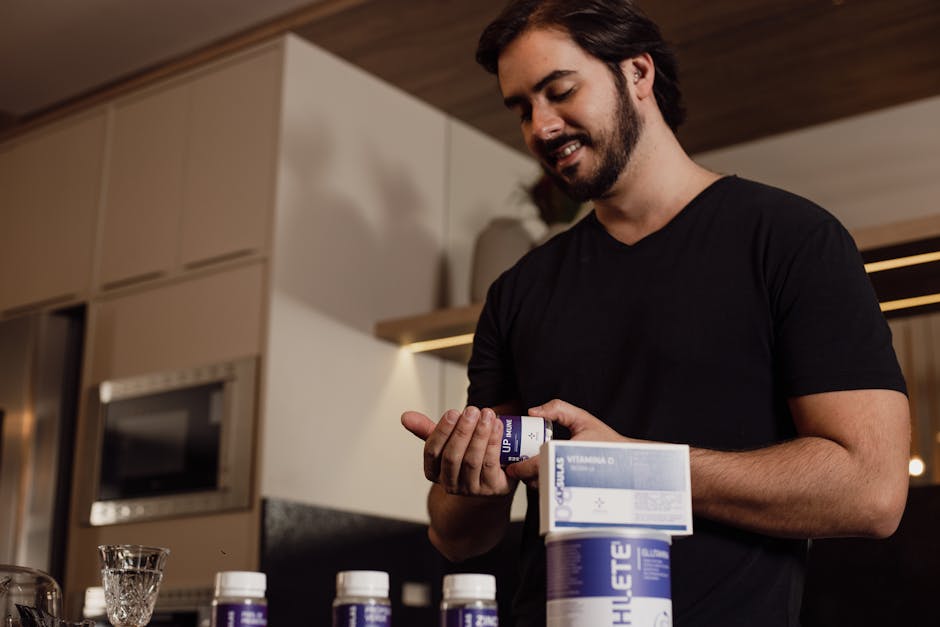
Zinc for Men: Boost Your Reproductive Health Naturally
Zinc: The Unsung Hero of Male Reproductive Vitality
In the intricate symphony of male reproductive health, many nutrients play crucial roles, often operating behind the scenes. While commonly associated with immune function and wound healing, zinc, a vital trace mineral, stands out as a true powerhouse for male fertility and overall reproductive well-being. Its influence extends from sperm production and quality to hormone regulation and even the prevention of certain reproductive health issues. This in-depth exploration delves into the profound benefits of zinc for men, uncovering how this essential element can naturally boost reproductive health and vitality.
The Pivotal Role of Zinc in Male Reproductive Physiology
Zinc is not merely a dietary supplement; it’s a fundamental building block and regulator within the male reproductive system. Its presence is indispensable for a multitude of cellular processes that directly impact fertility and sexual health. From the moment a sperm is conceived in the seminiferous tubules to its journey towards fertilization, zinc’s fingerprints are everywhere.
Sperm Production and Maturation: The Foundation of Fertility
The creation of sperm, a complex and continuous process known as spermatogenesis, is heavily reliant on adequate zinc levels. Zinc acts as a critical cofactor for numerous enzymes involved in DNA synthesis and repair, processes that are paramount for the accurate replication of genetic material within developing sperm cells. Without sufficient zinc, the intricate machinery of spermatogenesis can falter, leading to a decline in sperm count and potentially abnormal sperm morphology.
- Spermatogenesis: Zinc is a key component in the enzymes responsible for cell division and growth, including those required for the proliferation of spermatogonia (precursor sperm cells). Its role in DNA replication ensures that new sperm cells are formed with correct genetic information.
- Sperm Count: Studies have consistently shown a correlation between low zinc levels and reduced sperm concentration in men. Zinc deficiency can impair the production of mature sperm, resulting in fewer sperm being available for ejaculation.
- Sperm Motility: For a sperm to successfully reach and fertilize an egg, it must possess robust motility – the ability to swim effectively. Zinc plays a vital role in the energy production within sperm cells and the proper functioning of their tail (flagellum). Adequate zinc supports optimal sperm movement, increasing the chances of conception.
- Sperm Morphology: The shape and structure of a sperm are critical for its ability to penetrate the egg. Zinc is involved in the formation of the acrosome, a cap-like structure at the head of the sperm that contains enzymes essential for breaking down the egg’s outer layers. Proper zinc levels contribute to the development of normal, functional sperm morphology.
- Sperm DNA Integrity: The genetic material within sperm must be intact and undamaged. Zinc acts as an antioxidant and is involved in DNA repair mechanisms, protecting sperm DNA from oxidative stress and damage. Damaged sperm DNA can lead to fertilization failure, early miscarriage, or developmental issues in offspring.
Testosterone Production and Regulation: The Driving Force
Testosterone, the primary male sex hormone, plays a pivotal role in libido, sexual function, and the development of male secondary sexual characteristics. Zinc is intricately linked to testosterone production and its overall regulation within the male endocrine system.
- Androgen Receptor Binding: Zinc is believed to influence the binding of androgens, including testosterone, to their receptors within target cells. This interaction is crucial for testosterone to exert its effects on various tissues, including the testes and prostate.
- Inhibiting Aromatase Activity: Aromatase is an enzyme that converts testosterone into estrogen. In men, elevated estrogen levels can negatively impact testosterone production and sperm quality. Zinc has been shown to inhibit aromatase activity, thereby helping to maintain a healthy testosterone-to-estrogen ratio.
- Preventing Testosterone Decline: Zinc deficiency has been associated with lower testosterone levels in men, particularly in those with low zinc status or undergoing physical stress. Supplementing with zinc can help prevent or reverse this decline, supporting optimal testosterone production.
- Luteinizing Hormone (LH) Sensitivity: The production of testosterone by the Leydig cells in the testes is stimulated by luteinizing hormone (LH) from the pituitary gland. Zinc may enhance the sensitivity of Leydig cells to LH, leading to more efficient testosterone synthesis.
Prostate Health: A Crucial Component of Male Reproductive Function
The prostate gland is integral to male reproductive health, producing seminal fluid that nourishes and transports sperm. Zinc is highly concentrated in the prostate gland and plays a significant role in its function and health.
- Zinc Concentration in Prostate Tissue: The prostate gland has one of the highest concentrations of zinc in the body. This abundance suggests its critical importance in prostatic function.
- Antioxidant and Anti-inflammatory Properties: Zinc possesses antioxidant and anti-inflammatory properties that can help protect the prostate from damage and reduce the risk of inflammation.
- Prostate-Specific Antigen (PSA) Regulation: Zinc plays a role in the regulation of Prostate-Specific Antigen (PSA), a protein produced by the prostate. While PSA is often used as a marker for prostate cancer, its levels can be influenced by zinc status.
- Potential Role in Prostate Cancer Prevention: Some research suggests a potential inverse relationship between adequate zinc intake and the risk of developing prostate cancer, though more studies are needed to confirm this link.
Libido and Sexual Performance: The Intangible Benefits
While the scientific mechanisms are multifaceted, zinc’s influence on testosterone levels, sperm quality, and overall hormonal balance can indirectly contribute to enhanced libido and sexual performance.
- Hormonal Support: By supporting healthy testosterone levels, zinc can positively impact male libido and sexual desire.
- Improved Energy Levels: Zinc’s role in energy metabolism and its contribution to overall vitality can translate into increased stamina and a greater desire for sexual activity.
- Reduced Anxiety and Stress: Zinc’s involvement in neurotransmitter function and its potential impact on mood regulation can help alleviate anxiety and stress, which are common inhibitors of sexual performance.
Addressing Male Infertility: A Natural Intervention
Given its profound impact on sperm production, quality, and hormonal balance, zinc has emerged as a promising natural intervention for men experiencing infertility.
- Improving Sperm Parameters in Infertile Men: Numerous studies have demonstrated that zinc supplementation can lead to significant improvements in sperm count, motility, and morphology in men diagnosed with infertility.
- Synergistic Effects with Other Nutrients: Zinc often works synergistically with other micronutrients like selenium, vitamin E, and folic acid to optimize male fertility. A comprehensive approach to supplementation may yield even greater benefits.
- Addressing Underlying Deficiencies: For men with diagnosed zinc deficiency, supplementation is a direct and effective way to address a contributing factor to their infertility.
FAQ: Your Questions About Zinc and Male Reproductive Health Answered
Q1: How much zinc do men need daily?
A1: The recommended daily allowance (RDA) for adult men is 11 milligrams (mg) of zinc per day. However, individual needs can vary based on factors like diet, lifestyle, and health status. It’s always advisable to consult with a healthcare professional to determine your specific needs.
Q2: What are the best food sources of zinc?
A2: Excellent dietary sources of zinc include oysters (exceptionally high), red meat (beef, lamb), poultry (chicken, turkey), seafood (crab, lobster), beans, nuts (cashews, almonds), seeds (pumpkin, sesame), and whole grains. Dairy products and fortified cereals also contribute to zinc intake.
Q3: Can I get too much zinc? What are the risks?
A3: While zinc is essential, excessive intake can lead to adverse effects, including nausea, vomiting, diarrhea, abdominal cramps, and headaches. Long-term high doses can interfere with copper absorption, leading to copper deficiency, and may also suppress immune function. It’s crucial to stick to recommended dosages and consult a healthcare provider before taking high-dose supplements.
Q4: How long does it take to see the benefits of zinc supplementation for reproductive health?
A4: The timeline for observing benefits can vary from person to person and depends on their baseline zinc levels and the severity of any underlying issues. Some men may notice improvements in as little as a few weeks, while for others, it might take several months of consistent supplementation to experience noticeable changes in sperm parameters or other aspects of reproductive health.
Q5: Are there any interactions between zinc and medications?
A5: Zinc can interact with certain medications, including antibiotics (quinolone and tetracycline), diuretics, and certain immunosuppressants. It’s essential to inform your doctor about any supplements you are taking, including zinc, to avoid potential interactions.
Q6: Is zinc supplementation recommended for all men concerned about reproductive health?
A6: While zinc is vital for everyone, routine high-dose supplementation is not necessarily recommended for all men without a diagnosed deficiency or a specific concern like infertility. A balanced diet is the primary source of zinc. However, for men with known low zinc levels, infertility issues, or who follow restrictive diets (e.g., vegetarian or vegan), a discussion with a healthcare professional about supplementation may be beneficial.
Q7: Can zinc help with erectile dysfunction?
A7: While zinc’s primary role isn’t directly treating erectile dysfunction (ED), its impact on testosterone levels and overall cardiovascular health can indirectly contribute to improved erectile function. Testosterone is crucial for libido and sexual arousal, and adequate zinc supports its production. Furthermore, zinc’s antioxidant properties may contribute to better blood vessel health, which is essential for erections.
Conclusion: Harnessing the Power of Zinc for Lasting Reproductive Vitality
The evidence is compelling: zinc is far more than just a micronutrient; it’s a cornerstone of male reproductive health. From the fundamental processes of sperm production and maturation to the delicate balance of male hormones and the well-being of the prostate, zinc’s influence is pervasive and profound. By ensuring adequate intake through a balanced diet or judicious supplementation under the guidance of a healthcare professional, men can naturally fortify their reproductive systems, optimize their fertility potential, and contribute to a more vibrant and fulfilling sexual life. Embracing the power of zinc is an investment in long-term male reproductive vitality.
Discover more from Does Fansly Show Up As Fansly On Credit Card Statement
Subscribe to get the latest posts sent to your email.